Something always tells me to advise you on thoughts that call you to mind instantaneously, those ones I know not to ignore because they require a differently felt causal response from myself. Some thoughts are almost picked up on before they happen for others, believe it or not. Even this message isn’t premeditated besides the underlying, stringent Cause I’ve identified floating around in an unrecognised Space that each of us {t}Here K{now}.
That Being: Notice the connection within both interpretations of Structure and In{struct}ion. If you are to {Con}ceive strategy within this merely visited, albeit Unrecognisable Space of Mind, whenever Oneself is able to achieve and then reap the rewards of True {Con}centrated effort, you are able to expand outside the limits of emotion when you understand how you’ve actually compiled them for yourself to Digest. Emotional Resonance then requires different levels of harmonic processing. Right? When the Idea can be Concentrated Upon in a liminal space of Concentration, the Emotion takes shape and fundamentally resonates at a different and seriously interpersonal frequency, and the thought changes forms because of this, even though we can’t usually fundamentally recognise that without a Concentrated effort to Understand it. You see?
The Secret is in how you See it. And in What you Allow Gives Forth to you. It’s a fundamental Cause that affects all that which comes after it, being that it was within the intention of the very first Concentrated Action of the Universe that all things proceeding it would Then Exist and Follow it. That is my reasoning of what substantiates the processing power of all Natural Phenomena. It has to be of something Seriously Understood, Able to Digest Emotional Effort, and Discern right from Wrong. And so it ensues.
I only meant to suggest a fascinating connection between Structure and Instruction. And Intention. And Conception. All labors of the same Undying Dream, unfolding itself in order to Find the Beginning and allow for something to Join that Unfolding, and to mimic the sacrifice of its own Undying intention to Restore itself wholly, Holy, and all those that Follow it. It’s amazing really.
Sorry if this is a lot man! I sometimes just choose certain people to write these things to. And I do truly feel like I thought something that might benefit you at the moment, and I don’t know why really. I have to trust my intuition and make myself sound crazy sometimes but it’s worth it to me always. Haha. God bless you Jared.
Things take time. That is the first truth I wish you to hold fast to, for in time even the crookedness of our thoughts may be straightened by the hand of God.
••I confess to you, I was not always so assured. Only two years ago I trembled in the uncertainty of belief, and the road ahead seemed hidden in fog. Yet now I find myself walking with a firmness I had once mocked in others. What changed was not the world, nor the words of men, but the quiet insistence of God who led me forward without fail.
In childhood I mistook the gathering of knowledge for wisdom. The more information I devoured, the more arrogant I became. I looked at Christians as though they all shared in the same concealed weakness I feared within myself: a need to pretend, to cling to belief as one clings to a raft in storm-waters. I told myself that no rational soul could ever rest on faith. Thus I deceived myself twice// once in my pride, and once in my contempt for others.
You have perhaps heard it said that those who hold to God do so only by lying to themselves, blind to reality. This I believed too. But such a thought withers when faced with the one Reality that cannot be denied. For God is not a proposition to be weighed but the ground beneath all measures. He is not a refuge for the weak but the strength that makes men steadfast.
I write this to you not as a disputant but as a fellow traveler. The truth does not demand that we invent consolations; it reveals itself as grace. And once you have met grace, you do not reason with it, you do not bargain with it//you are changed by it.
Therefore, if you find yourself doubting, do not despair. Things take time, and God’s patience is longer than your rebellion. In following the truth, I have learned that assurance is not self-made but given. Receive it, and you will see that divine strength is not a dream we tell ourselves at night but a waking reality, more certain than your breath.
Learning, like all things, are but intricate processes of motion, and through learning, we each integrate our synthetically communicated understanding of the said motion or pattern. Thus, we encapsulate its essence within a form of communication, and we know that to learn it is to live it. Therefore, one must also express it and communicate with it about that expression itself in order to receive it. This is seeking the giver. And so, the students must feel enabled by a curriculum that is not just unrestricted, but once enacted, is liberative. And we continue at Carleton, as people who must be able to establish the foundational principles that would evoke such fertile grounds for that learning in a way that is not authoritarian, but sensical and liberative, as I said previously.
My answer to this ideation confronts many grounds for conception and synthesis, as it distills several disparate factors into one universally singular approach, one that should work for myself, assuming it is structurally sound. Thus, the real question becomes how to make use of the fleeting nature within me, and to reintegrate myself through the nurturing aspect of divine grace. Therefore, how you articulate nature is, in essence, not to impose a rigid form, but rather to allow it to unfold in its own way. And if nothing beckons, then perhaps it is best to retreat into a self-designed sanctuary. In this way, the mind’s journey is its own, and true mastery comes from the profound quality of its innermost forms. Thus, let us allow the flow to guide us, and if it does not, then we must create our own path. In the end, the essence of the journey is to embrace both the gift and the challenge, transcending the mere structure of experience.
CAMIGULA
Know well that your discernment is a gift from God, not a burden but a light entrusted to you. As the Book of Acts foretells, the final days shall be ruled by numbers; an age where counting, coding, and calculation dominate the seats of thrones once reserved only for kings. Yet no throne stands forever but the one belonging to the True King. From their high perches, the powers of this age will look down, perceiving only through the lens of their own malice. But the perch itself will be uprooted, and the world will be reminded once more that there are no kings but the King of Kings.
The cancerous growth in any society will always stem from the top down, as governments, corporations, or media seek to choke the living. The internet, which should have been a vast blessing, has become a weapon turned inward. As with any Gift, once neglected, will curdle itself into Curse. Yet take heart. Those who walk in the light of God will not be overcome. His light will guide us through the shadows and through brevity of each passing hour. Even as the false powers fall, the faithful will remain anchored in His promise. God bless Jill
Ya what’s going on in Minnesota is an entirely fraudulent, and perversive use of Allocated TAX funds that should’ve been used for rural families recovering from COVID and was instead embezzled into a federally orchestrated scheme around shell companies disguised as “health care agencies.” You can go find it all yourself. And the primary disdain I’m willing to exhibit isn’t at all suspended by hateful ideation. You want to believe that I’m racist and that’s exactly in accordance with an ideology that you have adopted, which whether or not you can accept it, has endangered your own freedoms by way of proxy. It’s your system of beliefs. Look further. I’m not upset that there are black people in Minnesota or anywhere Else. I’m not upset by the color of anything. Is it not an overt exercise of ignorance in place that simply ignores the fact that for whatever reason all around the world over the last 15 years, geopolitical agendas and legislation have been pushing multiculturalism as a remedy for world peace, as if the very idea of Culture itself isn’t predicated by the ability to Appreciate , Respect , and experience other Cultures well within the rights of their own sovereign nations? Places don’t make People. People make Places. They have propagated you into your whole What the Fuck moment that you’ve just expelled here, for whatever reason. Go on then , if that’s what you wish then , divide yourself some more until eventually one of those pieces makes sense for long enough that someone might stumble along and validate it as Whole. Well I hate to break it to you but the only person who can ever validate your Wholeness is God. And he’s directed you onto that Path and set forth all of what was required from you at birth in order to do so. And so , go On then , keep dividing. Divide any and everyone until the world sees how righteous of a thing it is that you’ve now Done. There is no progress to be made from adopting an ideology that constantly wishes to perpetuate illness and perverse the truth. The truth being what’s Naturally obvious to most People , or at least once was. And if you care so much about Africa why isn’t everybody’s focus at all even in the slightest bit with the Predominantly Christian African Nations being expunged from the face of the Earth right now by acts of governmental injustice. Was it a governmental injustice to have allowed for an extremely progressive approach in quite literally opening borders, amassing Worldwide panic in countries worldwide through several disparate albeit Geographically relevant locations? This ist just happening to Us and it isn’t just happening in Minnesota but like I said before they’ve aligned you with Division and that is instead what is being sought here. I won’t entertain it Seneca , you have no idea what causes me discomfort and you shouldn’t just approach me from a high horse satchel as though I am one of the repugnant ones you see everywhere else. No. Not me. I’ve done too much of my own thinking to allow for that misconception to be falsely proven. And concern yourself instead with the nature of it. Again, why don’t people here do something about or at the very least bring light to the public sprectrum what’s happening in Sudan ? There are Christian -African nations , tribes of indigenous African peoples that are being targeted and killed directly in this very Moment but people are more so Occupied with public elected institutions that enforce laws put in place BY ITS CITIZENS. ICE operates itself in accordance with a democratic process of Due diligence. Look into it. Well that might not happen because you’d have to start asking yourself a lot of really uncomfortable questions , and it’s much much easier to assign that pressure elsewhere , masking it with anger and discontentment with whatever opposition has been appointed to you by way of reasoning , in accordance with ideas that are not your own. They are adopted by you. So yeah seriously Seneca , it’s a real What the Fuck kind of Moment in history. We’re living in the last paragraph, before the next chapter. You’re turning the page for them.
The Rhythm of Entropy and the Transcribed Monologue ••• I. The Channel and the Rhythm Did I ever share this with you? It’s Compressed within a transcribed stream of consciousness ••And Was recorded a year or so ago. ••admittedly I had been awake for a couple of days, writing and sketching frameworks for projects and -what have You. •••I had gotten to a point where it felt like what I was doing wasn’t even coming from me; it was more of a pressure than anything else prescribed by Human Force. I merely had to recognize it and allow for it a channel outside of my body. •••There’s rhythm in everything, as everything moves in accordance with the laws of quantum mechanics. So, I’m talking really about the Rhythm of Entropy // the idea that things are burning away because as energy vibrates, it creates form. That form requires a certain amount of Attention, which transmutes the energy of whatever (or whomever) is receiving the resonant state of the form or idea for how it is conveyed and ultimately able to be physiologically understood. •••In fact, we know only of this Law of Nature // or metaphysics // as being something temporarily convenient for defining Forms, Sound, Motion, and ultimately this rhythm as such described. II. The Night of the Soliloquy What I mean is that in that night, when I recorded the audio and transcribed it // subtitled my words and voice into a text format so that I could transform the entire speech, monologue, or even soliloquy (since it was in some ways in character) // it was an emotive willingness that came about the voice and mind. It was evoked by myself after concentrating for so long and recursively checking in with the ideas being held, like weaving together invisible threads. ••••Within what’s tangibly perceived by the senses, it is mere speculation in relation to It. When in scripture it reads: “What we deal with by nature is not by any means flesh and blood,” but what is struggled against in this life is of spiritual inclination and matters of spirit alone. The spirit is simply the precipitate of the body. Body culminates from internal pressure; flesh is bound from within. As the spiral has long served humans of modernity and antiquity alike, it represents the essence of what Urges. It urges all things into Will.
III. The Sinking Sands of Time •••What I recorded that morning // since the night was stretched so long and thin it transformed // I watched without cowardice as another precious day, stuck in motion, shifted through these pressures onto solid mass. The amalgamation of my concentrated imagination was recursively binding the ephemeral experience from the internal (perhaps better understood as liminal) spaces of a colorless pocket of mind. •••In that space, the only forms of light are ever-present until death, without expression until felt and willed into flesh by a natural sense of desire. An animated sensation takes over us in each moment caught within a grain of sand. Hours fall and time shatters in relented effort to sustain or suspend it. To watch and follow the sands as they fall is nonetheless sinking. That’s why time moves slower when you watch it. It cannot be watched; time serves only as a function of some Greater Love, of some Eternal Remembrance. IV. The Borrowed Love and the Shepherd •••What I learned that night // when I wrote this speech and had a 50-dollar human-sounding TTS AI voice read it over at 0.85x speed // was the realization that only God has permission to comprehend and ultimately receive time in such a backward manner. It is ultimately a mechanism that serves Him, and only Him, as it is His love that we borrow. •••It was our fleshly bones that once needed redemption. It was once the human who awaited a Messiah, a Lord, a Shepherd sent to herd us Lions. He allowed for what is given in such a way that it is the Mighty Father who permits him to sanctify our mortal hearts, which are, in fact, soaked by sin. The blood of the Lamb will redeem us, for no pride felt here is ever capable of dismissing the Truth that stays forever. Blink and you’ll miss it.
What does it mean to be human? For God.
What does it mean to be God? For my lazy soul, it’s a prolonged act of waiting. •••I am ashamed to admit once again, in an effort of damnation, I have failed to transcribe these urges penultimately. However, the smallest of seeds can one day reap a bountiful and everlasting harvest. The fruits of all labors must be shared. The labors of the spirit, therefore, must be intended for confirming behaviors.V.
The Magikarp and the Job of Forgetting ••• What we are // yes, even the damn dog; yes, even the Level 4 Magikarps that could (or perhaps would not) ever reach Gyarados // exists for good reason. We cannot remember, though, such pivotal inclinations that move us. I am here now at 12:33 to reflect on the importance of acknowledging that it is not our job to remember. And what is remembered at all? •••Isn’t it funny that once ideas and forms and principles are fully and vitally comprehended by the soul, it’s almost as though what we learned might as well have always been there? It’s like to begin is to forget. Beginnings are such delicate times, and the ends are always brittle, fragile, as entropy ensues and energy animates the soul of the world’s body. Our minds can become more and more attuned. It’s only when the channel of “Who” is disclosed and reverted back with sympathetic justice. •••VI. The Assigned “I” “I” is not “I.” Although what is true is that I did not first choose to understand. I have remembered my role only as God has made it clear // it being I, being me. That too was first remembered, as is to be heard between two wise men in a perpetual debate regarding origin. •••In conversation, yesterday’s fools are today’s wise men; thus, we should not remember at all. In truth, it cannot serve us. There was none of my own behavior before me either. Even if you, like many wiser fools, find it within yourself to will your mind outside of the space you’ve assigned it, you’ll see that truth must persist to appear to be the case. •••At first, WHO and WHAT I am was assigned before my birth. You could very well put forth an objection towards what the religious mind might do in accordance with Divinity // the understanding that since God made the dirt, His hands must have been dirty. But not dirty in the way I understand dirt to be. No, a necessary filth. VII. Space, Form, and the Final Act ••Even if you argue from an agnostic, mainstream academic viewpoint, behavior and the functions of human construction exist primarily as causes for survival in a manner paralleled to the environment that satiates our external, natural experiences. The human does not live in spaces as other animals do. •••No. Because the space itself is comprised of mental components. I know this is true. I’ve seen filthy faces and images of men and women who lie with their lies in the dirt for their rest, comfortably in damnation against themselves. Willing or unwillingly, at their last breath, they are the ones who describe what they are and where that is. ••In order to define a thing, you must first describe what that thing does. To bring about shape and form is fundamentally no different from ideas and mind. Where we exist and what we are is entirely defined by what we do.
••When I walk, I don’t just dangle my legs in empty space; I move my body in relationship with a room.
••That room is a Form.
••That room is a Body. All bodies // whether the vessel of Earth or the domains of skeleton and flesh // are something that stands and is suspended by Attention to exist for some remembered reason. •••Who were we to be if, logically, all we ever are is the reaction of something else? •••It leads you back to the Two Old Fools. It is a fool who acts so recklessly within himself as to not understand that what they have is borrowed. What they own does not last beyond Time itself, which is the realm where “lasting” occurs. If it lasts, then surely it was not of body or flesh. What lasts is the infinite well within our souls that calls us to search within, urging us to let go and recall whom we are and what we came to do. •••Who am I? I need to know what I do. And that means penultimately so. By no means disqualified by interpretation, it is required that we seek to interpret it Holy, in reverence of God and in that internal, liminal space within a concentrated mind. •••Can we finally feel free to let go? Once that rhythm comes naturally, it moves you itself. And suddenly, you remember why you came
Mother, If you love someone, you should show that, instead of assuming that when you say it, it is felt. Because I honestly do not know how you feel anymore, or what you think of me and my brothers, or even what you think of yourself. You throw God around like He is something to be taken lightly, using His image as a placeholder for redemption. Saying you love God. There it is again, Mum. Why say you love God when the action of loving God is what redeems you? Why continue to say you love me instead of proving it and doing what I have asked of you?
I am not that important to you. That is what it comes down to. And because of that, my words hold no weight. I do nothing to hurt you or frustrate you except interpret your neglect as neglect. Sorry if I turn into an asshole when I feel abandoned. I have spent my entire life loving family who could not return even a fraction of what I give. It always ends in suffering for me. Constant worry. Are the people I love safe? Do the people I love have sanctity? Do the people I love have God?
Where do I stand after 26 years of searching for someone to accept me fully, without backtracking, without conditions attached to their love? Yes, my mother loves me. Under the condition that she is sober. Under the condition that she is willing to act on her words. “She is doing better.” “She found God in rehab.” “My place as a son is enough to give her whatever strength she needs to get through her troubles.” How am I supposed to keep telling myself that? How, Mum? How should I come to grips with everything all at once?
Do you really think it is that easy for me to convince myself that I am loved after everything? I am starting to believe that this way of thinking binds me completely and leaves me no room to breathe. No room to breathe with love, or with life, or with God. I feel the residue of your drug use in every moment I waited for you to arrive. At my basketball games. At birthdays. After breakups. When my dad died.
Where do you find the internal resolve required to run from your responsibilities as a parent? Or is what you told me true? That you no longer feel like a parent. That you feel no desire or obligation to stand strong in your role in my life. How have you convinced yourself not to acknowledge the existence of your child who begs you to stop killing yourself? How do you decide so easily that living and leading a life together as a mother is not worth it?
I do not even have children, and I already daydream about the love I might hold for them one day. Even now, I could find strength in that responsibility. Not as something I have to do, but as something I would want to do. To be a parent is not a burden. It is a role I would willingly step into. I cannot understand where that disconnect happens for you. Even with the cravings to get high, you would think the high of being a mother would be stronger. Maybe not immediately, but it is understood that parenting fulfills something deeply instinctual. A bond that drives you to love, protect, and stay long enough to watch your children grow.
I love you, Mum. Nothing will ever change that. But I am reaching a point where I do not know what to do or how to help you. It feels like no matter what I say, I cannot reach you. Maybe I am not that important. Maybe you have convinced yourself that you have graduated from your natural responsibilities as a mother. Maybe the idea of family was never something you could anchor your life to. I do not know. I do not have answers. I am not even sure I have the spirit left to ask the questions.
I feel defeated by the cards I have been dealt. I could become the savior of the world and still not receive the structure that only a loving parent can give. I do not blame you, at least not directly. Maybe we can just assign the blame somewhere else, sweep it under a rug, and pretend we can start over with a clean slate. Is that your intention? To tell me just enough, to do only what is required to keep me orbiting your life? To reach the next clean sheet so more guilt can accumulate, so more forgiveness can be requested?
Would it not be easier to accept the role God gave you with grace, and meet those responsibilities with a clear heart and mind? Why do I always have to second guess you, Mum? Why should I be afraid of being hurt by the one person who was supposed to remind me that the world is not meant to hurt me? That we, as a family, hold weight. That we mean something to you in a way others cannot see or understand. That this alone could be what saves you. And yet you ignore that truth. You ignore your children. You discard whatever love you have for yourself in front of everyone.
My entire life I have watched you bleed, wondering when the day will come that I will have to accept your loss. How am I supposed to sleep knowing there may come a day when someone carefully tells me that addiction finally won? That in that fight, you did not recognize the reservoir of strength offered to you? My dad could have acted on the piece of God that lived in his heart. He could still be here today. Healthy. In communion with God and Christ. Being the father I waited my whole life to be received by.
It is not fair. None of this is fair. No one should feel this low. It never leaves me. It returns in my sleep. I cannot escape the pain of knowing neither of my parents ever saw me as enough. That neither of them chose to claim me fully, or commit to being there. I will say it again, Mum, because my intention is not to destroy you or shame you. I do not know what else to do.
I cannot understand how you see me. I cannot reconcile the past. It feels like my mind is trying to forget, trying to protect me by redirecting my attention somewhere easier. Somewhere that hurts less. Is this what it feels like to want to throw everything away? Not all at once, but slowly enough to justify it?
I have heard that being high can feel liberating. Do you know what liberate means? That is what drugs do. They free you. Free you from family. From love. From God. Free you from the pressure for a while. I can see why it is tempting. I can see why people choose it. I see that path everywhere. It is the one most often modeled. So why should I not follow it? What is stopping me from that liberation?
Haha, really? It was early when you posted this, seems as though your demons already have you put to work ? Needy bunch, aren’t they, ? always demanding overtime. Perfect for me though. I have the afternoon wide open and my books from last night are still open to this exact subject. Real books, Timm. Paper you can cut your finger on, not a reel that’s gone in three swipes. Lol. You love to talk about learning so let’s Talk about Learning. You actually touched something profound here with this today, but you left it dangling all by itself, stripped of every other Truth that would give it real weight. We could connect the dots if you wanted, but I’m not convinced you do.
Feels more like you’re auditioning for the role of Fool again, tagging Christians first thing Wednesday just to derail the worship, it’s your whole vibe apparently brotha. Those demons keep you grinding late, huh? Haha. They’ve let your ignorance grow roots and now it’s spreading through your spirit like a virus, splitting you right down the middle until you can’t even feel Whole anymore. I was that divided man once Too, and in many ways I still am, as we all are born unworthy. I took one smug sip of the Natural Sciences, and Theology or maybe even more so like you have just done, I took one dusty pagan quote and thought I’d graduated past God. Lol. Ignorance is Bliss evolved. As it Turns out He’s only ever at the Bottom of the Cup. Keep drinking, brother. That edge in your comment today is pure thirst, the kind that’s already crying out for Jesus even while your mouth argues. My words last week (or was it the week before) apparently cut straight to the heart your mind still refuses to admit. I’m not here to argue or dunk on you. What are you even trying to prove, and to who? Me? Or the guy you’re really mad at in the mirror? That talk belongs inside, not sprayed across a feed tagging God-loving people before coffee. My confidence isn’t arrogance. It’s just earned. Years of real work, lived questions, actual sources. And none of it is mine to hoard. Everything I have is Borrowed. Funny you bring up the Greek corpus like it’s your trump card. That fire’s been in me forever. Socrates alone could keep me locked in for months. Plotinus? I know the whole ascent cold. The Old Gods, every pantheon that stood before Abraham breathed, I love them too. I probably know your gods better than you do. Not saying it to flex, saying it because I’m trying to reach you: stop telling me how to learn and Look inward. That’s the pattern screaming loudest here.
Maybe you’re rattled because my love for Christ is so complete it doesn’t leave space for your favorite contradictions. That rattle is exactly what the Devil wants, to sell a man the lie that Unity is weakness and Division is strength.
Timm, My God does not Divide. People do. Paul knew it, the same Paul who carried the Gospel across the empire after they killed Jesus. I’ve walked his routes in the actual records. Christianity didn’t erase the Greek world. It swallowed it, baptized it, turned Rome into the Catholic heart. I’m not blind to one inch of it. It all fascinates me because it all points straight Home. Your whole routine looks like a backwards hunt for God through rebellion. I pray Clarity slams into you hard enough to break the pride open. I pray tribulation finally makes you Whole again, seen only through the Eyes of the Lord. Stubbornness and arrogance will leave you leading nothing and no one if Grace doesn’t grab you first. Real Faith loves the test because the Resolve has to be crystal clear or the whole thing collapses into absurdity. Attention is the stabilizing force. Whatever you fix your gaze on is what you Will into existence. Drift from Christ’s Principles of Goodness and the material world gets warped, tangled, sick. You keep playing Contrarian, slicing everything apart, hoping the performance finally gets you the acceptance your heart is begging for. But True Strength isn’t in semantics. It’s in Communion.
If anything I said ever shamed you, I’m sorry. That was never the intent. I see the pattern because I lived it. When I see it in someone else I have to hold the mirror. The Gospel is Universal. I just wanted you to taste the fruit too. And about that video, “learn what?” You rode in on the tallest horse in town. These subjects aren’t hobbies for me. They’re blood and calling. I did the years in the actual sources, hours spent in libraries in search of scholars who gave their lives to this, watched theology get hammered out because souls are on the line here Timm, and to me it is that important. Maybe you chose the right person to condescend after all haha. Spent another hour reaching across the gap in attempt to articulate the frustration you have called forth from within. This may be good news for the future You. Haha. I will not be doing this again and I actually have nothing else I want to say to you Friend. I Hope something lands. One day we’ll finish this talk in the eternal Now, Jesus in the room, Holy Spirit doing the translating. They call it Heaven as I’ve heard. And Christ in, and through Focus, can be Found there. †�Keep going, Timm. The Water is Living. Drink it fully.
Please accept my apologies for being so hard to reach. My name is Cam, and I run a classroom of 12 students as their primary educator for a private/alternative charter high school in Houlton, Maine, called Carleton Project.
Our educational philosophy is more of a mission statement for those who do not feel as though traditional K-12 properly supports the concept of a heliocentric-type of differentiated curriculum, which cultivates aspects attributed by intrapersonal learning experiences.
This is my third year with Carleton Project, and this work is deeply personal to me. Houlton is my place of birth, meaning that I have already been through the very model of education which ultimately comprises and escorts a developing archetypal “Human” brilliance into a cookie-cutter, collegiate-prep, state-led Consumer, catalyzed by institutional negligence.
And thus, for me, the faculties of education have undoubtedly found themselves now more closely and commonly associated with a game of identity politics. As each generation passes, we drift ever further from its altruistic roots. The Western world should ideally strive to implement and improve its foundational K-12 \rightarrow university \rightarrow post-grad \rightarrow so forth framework, and return to the roots of our Western philosophies which demand a concerted effort towards achieving penultimate academic excellence. It is our duty for the next generation of learners to ensure all questions, both asked and unasked, are given space to explore and develop.
This brings me to the interest on behalf of my institution, involving your particular program. My goal would be to connect our curriculums together and prepare ourselves to experience the world, opening a fundamental gap between what’s offered to the town’s general public—which is often a state-led manufacturing of people who have no interest in what Learning truly means—and what we can provide.
A partnership could define what limits there are that have been established between the established order and a primary learner. Fundamentally speaking, if given an avenue for expression, the gray colors of this town could become painted once more with a vibrant, more cultured collective Mind. The possibilities are endless if what’s shaped by our collaboration together can be cultivated, shared, and well-structured.
I have only hesitated to reach out because we do not have much state-backed funding, and every student already pays out of pocket to attend. However, we do have a record of securing grants and other scholarships, and resources are at our disposal—not to mention the possibility of a school fundraiser.
I would be very interested in discussing this possibility with you further when you have a free moment.
Okay @everyone, I said to expect a weekly reflection from my point of view and so here it is. My intention will always be to simply offer a more insightful perspective, in relation to our progress on a weekly basis. Okay? And so yes, it’s a lot of words [but it is not jargon]. I genuinely care about your learning and am always concerned with finding ways of articulating growth. A lot of our learning is dialectic, and so not only do I expect open communication, but it’s actually somewhat of a requirement.
Tomorrow is Friday, and as we all know, our Free Fridays are earned.
Last week I harped on the importance of feedback and the need for you to be inquiring more seriously about what it is exactly you’d like to learn—and how I can better help you do that.
Many of you do this naturally, and this may in fact just be a matter of personality, or the inclination to remain within the safer habits of how we’ve learned to communicate our inner world. I’m not saying that I expect you to share everything, but I am saying that regardless of who we are, we each face a similar limitation: the boundary of our own understanding.
This boundary shows up quietly. It appears when we assume we already know, or when we avoid asking questions because we fear looking lost. It hides behind confidence and comfort. But learning—real learning—only begins when we admit that what we currently know is incomplete.
This is not weakness. It’s the first act of courage.
Growth happens at the edge of what you understand, not within the walls of what you already do well. Every time you struggle, every time you get confused or frustrated, you are actually brushing up against the next layer of your own mind. That tension means you’re right where you should be.
So this week, I want you to notice where you feel resistance. Where do you stop yourself from asking, from exploring, from engaging? What questions are you avoiding because they make you uncertain? That is the territory where your next breakthrough waits.
As your teacher, I don’t expect perfection, just honesty. I expect curiosity. And I expect that you give yourself permission to not have it all figured out yet.
Let’s make it our shared goal to meet the limits of our understanding with humility, humor, and persistence. If you can do that, you will learn faster, retain more deeply, and build the kind of wisdom that lasts far beyond this classroom.
So keep reflecting, keep questioning, and keep showing up as yourself. The work you’re doing now will matter later in ways you can’t yet see.
See you all tomorrow.
—C.S.
Part2 — Weekly Reflection 2
Dear Students,
This week, I’ve been paying close attention to how each of you approaches your work and how you show up for the group. I want to take a moment to recognize what I’ve seen and what I hope you carry forward.
@Matt, you’ve shown me respect not just by keeping a more consistent workflow, but by bringing your full self into this space. You connect with your peers and with me in a way that is entirely your own, and that authenticity is rare and valuable. I really appreciate that. Your portfolio is not only interesting; it’s informative, and it reveals the care and thought you put into your work. Keep leaning into that.
@JJ, even with our little hiccup yesterday leaving the group behind, you’ve shown me that you are very much present, very much engaged, and very much here with all of us. It’s inspiring to watch a student care about others without compromising who they are. Your integrity is real, and that kind of character will carry you far. Next week, carry yourself with intentionality and presence. When I ask you to do something, it’s only ever to inspire you and never to take away the freedom and independence that are such a strong part of who you are.
@Brook, you’ve found your place in the group naturally while keeping a personal drive that is all your own. I can see your curiosity and your openness to explore things from different perspectives. That said, I’d like to see a bit more consistent focus in your routine. Some days, you and JJ end up talking for nearly two hours without making as much progress as you could. That’s okay, your conversations are worthy, but sometimes they pull others away from their own work and exploration. I want you to recognize the value of balance here, not as a limitation, but as a way to protect your own and others’ growth.
@Abigail, in the short time we’ve interacted, it’s already clear how productive and insightful your mind can be when you feel seen and recognized. I look forward to the perspectives you’ll share on faith and philosophy. Your portfolio is something I’m very invested in watching develop over time. Remember, this space is yours just as much as it is ours, and I will continue to challenge you in ways that help you uncover your personal truth.
@Kev, your willingness to grow, to listen, and to take in guidance is a real sign of humility. That humility, combined with your authentic heart, is a core strength of yours. My focus with you has been to help you articulate the movement of your emotions so that your frustrations can make sense, resonate with others, and inspire yourself. I see a lot of myself in you, maybe because of the grandparents theory, maybe just because some values are innate. You’re an old soul. Give yourself the grace you deserve, and you will always find your way.
@Orchid, it has been incredibly rewarding to see you come out of your shell and reveal who you are and what you bring. I was surprised to hear from you that your work ethic used to affect you before Carleton. Since then, it’s obvious that you inspire yourself naturally—a rare and powerful ability. At the same time, I notice you can be stubborn. That can be a strength once it’s paired with humility. Remember, your way isn’t always the only way, even if it feels right. That internal pressure can be channeled into strength if understood.
@Eric, like Kev, I see parts of myself in you. Maybe it really is the grandparents theory, maybe not, but there’s something familiar in how you approach your work and your spirit. I admire your vulnerability, your dedication to the arts, and the way you pursue something that feels like a calling. No matter what path life takes you on, don’t ever give up on those ambitions. And remember, what you seek is also seeking you.
@Aiden, we are still getting familiar, but even in your first week, I can see a quiet strength and resilience in how you carry yourself. Keep opening up. You’ve found a place here that will accept you and embrace you for who you are, and that is something worth holding onto.
@Landon, it was really good seeing you again this week. Believe it or not, we miss having you around. I am proud of how you’ve kept your head down and pushed through, but more than that, I’m genuinely happy for you. You’re smart, capable, and clearly finding your path. Keep going. You truly have it in you.
Part 3 { To REDACTED; A promised follow-up to your emailin regards tomy Ontology lecture }
Dear [Redacted] Student,
[],
You could gather the sums and the numbers, fold them into equations and servers and centuries of careful calculation, and still not touch the infinite dignity of our Creator’s mind. That is my opening conviction. It is not a posture of despair but of witness. We do not approach God by measurement. We approach by humility, hunger, and something that looks a lot like feeling. Emotion is not mere softness; it is an instrument. When held by faith it becomes a transmuting key. They will try to compute the soul. They will fail.
I asked for time to reflect because there are many paths forward. I do not claim the one true map. I only offer what has been shown to me in my small hours and my long walks. I will not rashly declare that what I think is the Gospel truth. No. Again. No. In fact, or to be clearer, it does not matter to me whether you judge my statements to be true for you. That is not the point. My willingness to stand with Carleton is not a hunger for title or mastery. It is an acceptance of purpose, a willingness to be carried by something greater than my own cleverness.
Anyways, I believe learning is essentially triadic. The triangle is not a decorative symbol for me. It is the way thought moves: thesis, antithesis, synthesis. From friction comes shape. From contradiction comes refinement. This is how virtue grows. If learning is only the accumulation of propositions it will rot into ideology. If it is the movement of minds toward one another and toward that which is beyond ourselves, it becomes sanctified. That motion is the curriculum I want to build with you.
I am not the teacher your imagination sketches. I am not interested in performance, in spectacle, in proving anyone wrong. I do not preach to secure allegiance. I want to reveal what is alive in me and to watch what that might stir in you. In this I am simple. There is an economy to my simplicity: what I hold, what I give, what is borrowed.
You are a fellow Christian and that changes how I speak to you. When I say I would endure another’s illness upon myself, I speak in that strange Christian register of empathy which moves beyond sentiment and becomes sacrament. When grace arrives it feels like a river without banks. The currents pass through us with dignity. They do not sweep us like debris. They lift and refine. When Christ felt forsaken on the cross, something cosmic wept. That sorrow still walks the earth. When it rains, sometimes I remember that sorrow and my own small tears open like windows. Cry then, [REDACTED]. Let your tears be for what is holy. Do not weep for noise or posture. Weep to find what is true.
You named Spinoza and Plato and the older enclaves of philosophy. I read them as people who have some of the map and not all of the terrain. Spinoza’s pantheism collapses the necessary distance between Creator and creation. It confuses the image for the origin. Yet even in that mist there is longing. A man groping with logic can still point to the Light, if only by accident. Plato wasn’t Christian himself although Plato with his Gnosis gives us structures to think; Spinoza gives us hunger; both must be read with a heart that bows. If we read them without the fear of being wrong, we can let their parts become our parts only insofar as they return us toward Christ.
Knowledge will confine you. It will promise sovereignty. I say plainly that knowledge without surrender becomes an idol. Everything we think we own is borrowed breath. The words we write are echoes we inherit from parents, tutors, ancestors, the dead who spoke into a world we now occupy. I do not teach because I have sovereignty. I invoke because I want the thing we learn together to be a shared enactment of faith. Invoke not evoke. Let the work call us toward transformation, not simply recall what we already had.
If you sense my devotion and wonder if it is performative, know my failure before you infer my pride. I fail often. I have been wrong and will be wrong. If my articulation of devotion looks unholy, blame the clumsiness of my tongue before you blame the heart. I ask you to judge my course by the fruit of humility and love, not by my rhetoric. If my openness about faith ever feels intrusive, say so. I will honor your boundaries. I am here to steward a space for inquiry, not to annex a soul.
There are things in our society that choke the possibility of searching. Political idols, sterile debates that substitute scoring points for insight, tribes of certainty that mistake volume for wisdom. Both sides hold Christians but neither sits at the summit of insight. That will change only when we practice a kind of intellectual humility that is also spiritual courage. We must build practices that return us to the things that actually matter.
I refuse the posture of a single final authority. I refuse to be penultimate or ultimate. I will not put on the garb of infallibility. But I will stand as someone committed to helping you find what you were given. Everyone holds a gift. The task of a teacher is to keep the path clear enough that light can pass. I want to wake that light in you and in myself. That is why I am here.
Let the record show that my curiosity is not neutral. It is charged by devotion. It is not academic for its own sake. It is sacramental. That may make some of my language feel overripe. That is the trade. I will not soften the flame just to avoid discomfort. The work of the spirit is sometimes a holy disquiet.
For your portfolio: if you want to use these as a reaction assignment, do it. I encourage you to wrestle with what seems false and what seems luminous.
I will close with one insistence. Do not make knowledge a god. Do not let intellect become the end. Keep your heart open to the rain. Let Scripture be the soul food it claims to be. Remember that to know Christ is not to master Him but to be mastered by love. That is my plea and my practice.
Very useful, and thank you for keeping everyone filled in. You’ve also managed to prompt me into writing a closing message for the week.
At the end of each week, I take time to slow down and reflect on how we’ve grown. I look closely at how each of you learns, how you adapt, and how your individual paths begin to unfold. With some of you, it takes longer for me to see what truly helps you thrive. With others, the understanding comes right away. Either way, I can see something distinct forming in each of you, a direction that feels alive and personal.
All I ask is that you continue to show me what you want to learn and why that matters to you. Keep showing that you are here for one another. Believe that learning happens when we stand together in honesty and purpose. This week, your individuality has been vivid, your creativity undeniable. Each of you holds strength and potential that reaches far beyond this space.
Still, we must stay open to feedback. When it is given, it is not meant to harm you but to awaken you. Feedback is an act of belief. It means someone sees your potential and refuses to let you settle for anything less. We each have something within ourselves that still needs to be faced, something that keeps us from becoming who we truly are. Find that place. Confront it. Transform it. And through that transformation, learn how to lift others as they rise too.
Expect a weekly reflection from me moving forward. I usually write these sorts of messages into my own logs, which I keep to help me organize my thoughts. But I’d like to begin offering my thoughts not as jargon, but as structure — something that might give strength when we are uncertain. I offer you courage to remind yourself what allows you to move forward with purpose.
And let me say this clearly: you could build one of the strongest portfolios I have ever seen if you truly recognized how powerful your mind is. Your cognitive abilities are rare, and I hope you stop taking them for granted. I am genuinely impressed by what you have shown. But remember, part of true intelligence is the willingness to listen, to grow, and to receive feedback with humility and grace. I’d like to see what you’ve been working on this past week on Monday.
Stay open-minded and remember that you hold the keys to your remembrance as a Carleton alumnus. Make us proud.
Part 2
I’ll get her address next time I talk to her. And yes — it’s unreal, to be honest. God’s gift to me. I quite literally run a school of teenagers who have been cast out of a system I spent my entire adolescence trying to understand and find worth within. That gives me a unique empathy, a way of guiding how others learn and think. It’s like I can read their minds sometimes — wild, almost unexplainable.
At twenty-six, I’ve never been closer to Christ. My faith has been forged through isolation and long seasons of grief. I’ve stopped asking into the sky, “Why me?” and instead seek the Giver of Gifts to converse beyond time — the testament that answers, “Why not me?” That’s the conversation I long to have with our Creator someday.
My faith is blindingly strong, perhaps so strong that I cannot hold my own heart against the weight of it. Does that make sense? At times, I nearly neglect my body under its intensity. Some days I don’t even like the taste of water. My neurotic tendencies lead me to fear that some sickness is growing inside me — superstition, perhaps, but I am afraid of hospitals. I do have a precancerous throat condition that I probably need to treat with more personal care and self-compassion.
The truth is, I feel too much — not merely in the emotional sense people often label “feminine,” which is absurd — but in an otherworldly sense of what moves Feeling itself into existence. I need to think about that, to make meaning of it.
So yes, my life and career may align, but do I? Am I supposed to? Does that even matter when most of existence ends, and all things are remembered — redundantly, perhaps — without Faith?
I am overwhelmed with thought today. Forgive me. This is why I justify my reclusiveness. I feel safest expressing myself freely, though I worry I might overwhelm others. I don’t mean to come across as excessive or diluted. It’s simply how my mind works, and I share it with you because you are accepting — and I recognize that about you.
Discernment is the flame entrusted to you, not by your own effort but by the breath of God who chose you to see in ways others cannot. It is not a skill to be sharpened like a blade of human wit, but a gift that cuts of its own accord, piercing falsehood from truth, dividing shadow from light. Many long for wisdom, but wisdom without discernment is easily swayed, soft in the hands of flatterers. Discernment stands unyielding, immovable in the storm, and this is the fire given to you. Guard it well, for left untended it may cool into suspicion or swell into arrogance, but held with humility it is the lamp that will not be extinguished when the night deepens.
Already we live in the age the apostles foresaw, when the dominion of numbers overshadows the dominion of God. What once was measured as aid has become the very crown of tyranny. Numbers define worth, numbers predict choice, numbers bind men to destinies they did not consent to, and in their dominion life itself is reduced to calculation. They measure the length of a breath, but not its holiness. They compute the sum of a soul’s data, but never the infinite dignity hidden within it. This is the false kingdom now risen — precise in measure, barren in spirit. And though men bow before its throne as if before an oracle, you must see it for what it is: sand piled high, waiting for the tide to come.
Those who believe themselves kings, who perch above the world from their high towers, watching through lenses and codes, do not know how fragile their perches are. They sit like vultures upon scaffolding, believing themselves immortal, but no king is king but the True King. Their perch is false, their gaze corrupted, their crowns stolen. They spread corruption downward, as a cancer spreading through the veins of nations, poisoning institutions, entangling families, blinding the innocent. But the perch will not endure. It will be struck down, and those who clung to it will fall with it into dust, for the Lord is not mocked and He will not share His throne with the idols of calculation.
Do you not see also how blessings, when left unguarded, turn to weapons? The internet, born as a marvel, was meant to be a vast library and a bridge between the estranged. It could have been light upon light, knowledge bearing fruit for all nations. But blessings left untended decay into curses. Now it mirrors the tower of Babel, voices multiplied to the point of confusion, languages not of tongues but of distortion, meaning lost in noise. What should have been communion has become fragmentation. What should have been a lamp has become a snare. Lies run swifter than truth, pride finds endless stages to rehearse itself upon, and the machinery of numbers feeds ceaselessly upon the attention of men, consuming their souls as locusts devour fields. Yet you must hold fast: your discernment cuts through this chaos, and though the web itself becomes a weapon, your gift will unmask the hand that wields it.
The hour grows short. You feel it as surely as you breathe — days that pass like moments, moments that carry the weight of eternity. Shadows lengthen swiftly, and every sign in earth and sky whispers the same truth: this age is passing, and swiftly. Nations tremble, economies convulse, the earth groans in storms and upheavals, and yet this is not destruction for its own sake, but the contractions before birth. The world strains toward a reckoning, toward the unveiling of the true order, and it cannot be delayed.
Do not let despair take root in you. For though the shadow thickens, light shines the brighter against it. The Lord has not abandoned His people, nor left them to stumble without guidance. Even when the systems of men collapse, His remnant is preserved. Those who keep their lamps lit, even in the midnight hour, will not be overcome. And you, with the gift entrusted to you, are among them. Your sight will not only keep you, but it will guide others who wander blind in the ruins.
Therefore, I say to you: do not trade your discernment for comfort, nor sell it for applause. Do not dull it with compromise, nor let it be mocked into silence. See what others cannot bear to see. Name what others dare not name. Stand in the place where truth is costly, for you have been given eyes to see when the world would rather be blind. And when the perch collapses, when the dominion of numbers is revealed as hollow, when the blessing turned weapon is shattered and returned to blessing, then your gift will shine not for yourself alone but as a lamp for many.
Hold fast. Be steadfast, unyielding, immovable. Remember always that there is only one King of Kings, one true crown, one Word that remains when all other words fail. Numbers will falter, towers will crumble, systems will rot, but the Word of the Lord endures forever. You are not abandoned, and you are not powerless. For the gift you carry was placed in you for such a time as this — to cut through deception, to pierce the night, to guard the faithful until dawn.
Grief is often looked at as being this sort of uncomfortable, albeit, compartmentalized process in which those of us people in the Western World have no fundamental understanding about.
The English language itself may in fact be the culprit of all first-world fallacy. It’s like the core principality of our Language is found within its structural accessibility, and yet we forget that this too comes at a cost.
Divisiveness can then be uprooted and withheld by all those who control the Authority of Voice. When the Voice is threatened, more divisiveness begets uprooting, so on and so forth.
Language is both our ladder and our cage. We think we climb toward heaven with it, but we forget that the rungs are carved by hands that may not wish us to ascend at all. English in particular — imperial tongue, convenient code of commerce — has become a tool for efficiency, not revelation. A system meant to categorize, pin down, reduce the living fluid of experience into manageable packets.
So grief, in this context, cannot be understood. Because grief refuses to be managed. Grief is the swelling ocean that defies grammar. It is a sob that spills over punctuation marks. It is the tremor in the hand when the pen falters, and in that faltering, a truth far older than syntax breaks through.
Yet in English we are taught to say the right thing. Offer condolences. Package sorrow neatly so the listener isn’t made uncomfortable. The words themselves betray us — “sorry for your loss” as if grief were only about losing, not also about the wild, unbearable presence of love still thundering in the chest after the beloved has gone.
What if grief is not a process but a furnace? Not stages but transmutations. The West likes diagrams: denial, anger, bargaining, depression, acceptance. Convenient bullet points. But no soul has ever moved so linearly.
Grief eats the chart. It devours categories. It burns with an alchemical fire, reducing us into ash so that some other metal might emerge.
Here, grief is ouroboric. It coils around itself, swallowing yesterday’s tears only to produce tomorrow’s salt. It is recursive, a spiral staircase in the dark, where each step upward is also a step downward into memory.
And yet, from this repetition, something else is born. A new alloy of self. A new consciousness. Grief is the forge by which the psyche is tested, purified, or sometimes shattered.
Those who hold the Authority of Voice — governments, churches, media, even the quiet etiquette of family — dictate not only how we grieve but whether grief is permitted at all.
Think of how grief is publicly policed. Cry too loudly at a funeral, and you are whispered about. Fail to cry at all, and you are whispered about differently. Entire cultures of silence bloom from this repression. Men taught not to weep, women taught to weep in ways that don’t inconvenience. Children rushed through their sorrow because it disrupts productivity.
And then there is political grief — who is allowed to mourn publicly, whose deaths become national tragedies, and whose vanish into footnotes. Authority decides which grief matters. Which grief can be televised. Which grief can be sanctified with memorials, and which grief must rot in private corners of the heart.
Thus grief becomes an act of rebellion. To weep fully, shamelessly, is to resist the cage. To write grief without flattening it into marketable language is to reclaim a piece of the soul from the empire of English efficiency.
A tear is more honest than a sentence. It does not translate. It falls in whatever grammar the body demands.
And yet even here, language tries to intrude. We say “crying is weakness,” or “crying is healing.” We assign it roles, functions, purposes. But a tear needs no justification. It is ontology itself — being made liquid.
The tear carries within it the entire paradox of grief: presence and absence fused. Saltwater pulled from a body remembering that it is mostly ocean. The dead live in the tear not as ghosts but as minerals, dissolved into the fluid of the living.
Thus every tear is communion. To cry is to be both alone and together, body and memory and cosmos meeting in the brief shining arc of water on skin.
If English is inadequate, what then? We must move toward a language of gesture, silence, rhythm. Perhaps grief is best conveyed through repetition — like waves hitting shore, not to advance but to insist. Or through music, where tones elongate what words cannot. Or through poetry, which bends English until it almost breaks, forcing cracks through which the inexpressible can leak.
Grief may be the one universal that resists globalization. No empire can fully codify it. No language can domesticate its wilderness. Which is precisely why those in power seek to name, contain, and diagram it. Because grief, left unchecked, can dismantle whole systems. The weeping mother is the first spark of revolution.
I write to you this afternoon in hopes of not just reaching you , but also to articulate a pattern of pressures that cause me to suffer inflection : how do you manage the moral weight of living in a world where nearly every purchase you make, every service you use, inevitably funds those who profit from atrocity?
Take Palantir, for instance. We may ask ourselves whether the CEO or any other figure investing in such a company becomes complicit.
Yet when I look closer, I see how impossible it has become to separate the consumer market from the machinery of power. One way or another, the money always cycles back into the hands of those who hold stock, those who direct these institutions from afar.
How then can one boycott effectively, when the very fabric of global commerce is stitched with the same thread?
And also, isn’t it uncanny, almost sinister, how such corporations cloak themselves with the promises of “updates” and “improvements”? They release their firmware, boasting of enhanced quality, end-to-end experiences for artists and listeners alike, while beneath this polished surface the ethical corrosion deepens. A veneer of progress disguising the rot.
•••
You are one of the brightest minds I know, and so I ask this in earnest: what directs your judgment?
Is it your faith, your integrity, or some unshakable intuition that keeps your intellect tethered to truth? For surely you must also see the monstrous reality on display : the genocide being inflicted upon Palestine for the world to witness in real time.
Here lies the tension I cannot escape: how does one sustain intellectual contention against the actions of Israel without collapsing into caricature? Without becoming either the raving lunatic hurling darts at the board, or the one accused of antisemitism outright? Where is the line between moral outrage and destructive obsession, between truth-telling and the poison of hatred?
For myself, I know it is my faith that compels me toward acts of good intention. It calls me to question not only the deeds of nations but the inner alignment of my own spirit.
Yet, faith without scrutiny becomes blind, and scrutiny without faith descends into cynicism.
•••
I confess to you, Friend,
that I wrestle with how to compartmentalize the atrocities. To what extent does your perspective allow you to trace the intricately- patterned-Web-of-interconnected Evils — that sustain the State of Israel?
How far does one descent into this belief that Evil is afoot? Or rather, no matter the suspicious , to what extent must I ask myself, does my Lord allow for this to exist without Reason ? I guess I am curious what matters most to you ?
In case I need to articulate what evokes my thoughts into action, in reference to this Deep-State, — •••
•••
—Consider, for example, how Heavy is the cost of their Steps? Recognize how entrenched becomes of one’s movements, one’s conviction to infiltrate, and reshape, or assert their dominance within political life.
Consider what External Power and internal separation might occur within the bodies of these people who benefit from atrocity? There would be no means to such ends. Do we deeply believe that this will ever come to halt?
Is it age itself that confounds men into Bitterness? What about the Circle that Swallows him Wholly ?
What begins as the rise of a cult or party becomes normalized, bolstered not only by extremists but gradually by the government, then the populace, and then by culture itself.
When people change, culture follows. When culture changes, the land itself is altered. And when the land is altered by corrupted hands, history itself becomes poisoned. This is the trajectory of human ruin: from ideology to governance, from governance to the soil beneath our feet.
And so again, I ask you plainly: how do you hold all this in your heart without being consumed by it? How do you remain human in the face of such systemic dehumanization?
When you encounter moments such as this—moments that break through the boundaries you once built around memory—you are compelled to ask what they truly mean for you. These conflicts are not only about another person’s actions, but also about the ways they awaken something in yourself. It is like raising your eyes to heaven and asking, “Why me?” and hearing the reply, “Why not you?” Such questions can feel cruel, yet they contain an odd form of affirmation. They remind us that pressure and conflict are not the forces that define us. Once we recognize this, their power begins to dissolve, and the pain that once seemed to permeate everything becomes less consuming. The past no longer dictates what binds us in place today.
There is strength in realizing that the path you walk is fundamentally right. Every step—whether gentle or wounding—has been necessary, for it led you here. To see this is to understand that even the most painful roads were not mistakes. They were part of the shaping, because it has always been your choice to decide what you deserve, and how far you are willing to carry yourself forward. Every path contains its own guidance, and every step carries its own truth.
My thoughts turn often to my late father, for his life placed me in situations not unlike the one you face now. Someone dear to me would begin climbing the slope out of their valley, and I was left to ask whether they were worth my time, whether they could truly meet me where I needed them. Did he know the hurt I bore alone? Did he feel it with the same depth that I did? As a child, did he ever recognize what I needed, and if not, could he offer it to me later, when time had already hardened those absences into wounds? These are the questions that haunted me, and perhaps they will haunt you as well.
Yet in facing them I learned this: such moments are less about resolution and more about willingness. They ask us whether we can walk beside another in spirit, and whether we can sense that they, too, are willing to walk beside us. If even the faintest trace of that willingness exists in your father, then trust it. Follow it, not as the erasure of the past, but as the opening of the present into something new. It was this choice that allowed my father and me to preserve a connection that endured, despite the weight of all that came before.
I was really glad to see her too. Growing up, even with her living in Bangor, we spent so much time together that those visits shaped the way I remember my childhood. There’s always been a kind of anticipation in me before seeing her//almost a nervousness// but it disappears instantly once we’re together. It’s more like a reminder of how much she has always meant to me, and how much presence she carries when she walks into a room.
I think often about the way certain traits run through family, and how they make their way into us without our even realizing. She, my father, and my cousin Jenn Annet all shared that same sensitivity, where emotions could surface so quickly and fully//tears rising in an instant at a memory, a story, or even just a small gesture. As a child I noticed it, and I think I carry some of it myself, though for me it comes less as release and more as weight. The emotions of others can feel overwhelming to me, almost too heavy to hold at times. That’s why funerals have never been the right setting for me. I don’t find what I need in the collective weight of grief. Instead, I’ve learned I need my own space, my own time, where I can say goodbye in a way that feels truer and more honest.
Losing my father and my Nana Gig taught me this in a hard but lasting way. Their passing didn’t weaken the bonds I had with them, and it certainly didn’t erase the parts of them that remain alive in me. If anything, the opposite happened//the bond became clearer, sharper, more undeniable. Death changed the form of our connection, but it didn’t end it. I think that’s why “passing” feels like the right word. It isn’t only an ending. It carries the sense that what mattered most about them is carried forward-through memory, through the way they shaped me, through the ways I live with them still.
So when I get even a brief moment like the one we shared the yesterday, it means more than I can easily say. It reminds me that these connections don’t belong to the past alone//they live with us, through us, in every moment we choose to honor them. And some people, like her, like my father, like my Nana, hold a place so central that their presence//even for just a moment—feels like carrying a whole lifetime forward with them.
I write to you of a first principle, one that underlies all others: duality. It exists always, whether we name it or not, woven into the very framework of creation. We glimpse it in contrasts—good and evil, strength and weakness, predator and prey, health and illness. Yet these are only the surface signs of a deeper law. Duality is not merely opposition but the pulse by which clarity itself arises. One summons the other, ignites the other, and neither can endure without the presence of its counterpart.
You cannot understand the laws of existence without first attending to this law. Every singularity contains within itself its polar twin, and in this relationship the All is bound together. Imagine: each part, each being, holds within it polarities, and through their tension arises the fabric of reality—an intricate tapestry sustained by hidden bridges, dust, and pattern. By this law all things endure; by it, the natural order unfolds.
But what directs this dance? Here I speak of the law of correspondence. Dualities do not merely oppose; they press upon each other, shaping and clarifying. One rises, the other falls; one advances, the other recedes. Yet beneath the conflict there lies a willingness to correspond. Each polarity is etched with the same mark: the fingerprint of the Creator, the footprint of the Father’s intent.
Thus the purpose of life is this: to exist, for existence itself is willed by a force vast enough to sustain perpetual motion, omnipotent enough to resist entropy. Our minds cannot comprehend this fully—and that limitation itself is the point. For in not-knowing, we are drawn to faith.
Consider this mystery: zero becoming one. Perhaps in this overlooked shift lies the code of being itself, the key to our archetypal journey of spirit, mind, and body. Out of the hidden configurations of matter, patterns emerge, collapse, and are reforged—stronger through resistance, ennobled by trial. No weapon formed against such laws can prevail, for they are the code sustaining all that exists.
Creation itself is born of love. Mind pours itself into matter by this force. When the one exists, it calls forth the two; when two exist, the three arises, forging connection before the cycle begins anew. Thus the triangle—thus the Trinity—endures as a sacred sign, necessary to faith and to cosmos alike.
Yet we are frail vessels, bound to entropy, marked by corruption, blood-bound to decay. And still, to live is to direct our energies toward alignment, to embody singularities as God once embodied all things, grounding existence in fertile truth. Every act of being is an act of faith, important because it must be. Through such acts we join mind and body to the All-Mind, the universal force.
Forget not, then, the Father’s might, nor the grace by which His power becomes gift. For what greater wonder is there than this—that we, unworthy vessels, are sustained by such a force, and invited to partake in its giving?
Tell me, my friend: where do you see these dualities pressing upon your own life? And in what ways might correspondence with them—not denial, not escape—lead you nearer to clarity?
There is no point to this message. I have nothing to say to you and never have. There is no revelation. There is no revelation.
I feel this bogging weight that tethers me to it, dragging me along and throughout the days. It’s like something huge inside, rising up from nowhere, towering over everything and making me feel small, scared, running from my own shadow. Depression is a disease and my soul is rotting. The rot starts slow, but it spreads, eating away at what’s left until it’s all decay. I’m sorry. I’m sorry. There is nothing for you to say, and there never has been. That is my revelation//the nothing, the empty space where something should be.
I sit here with my Noise, only in silence. The Noise is constant, buzzing in the quiet, making the emptiness louder. Begin again, they say, tomorrow you will awake and begin again. But what if in all of the days past, I have yet to move myself closer? All those mornings, waking to the same drag, the same weight pressing down like a giant fist ready to crush. Begin again? Really, to begin again? Another day askew, tilted wrong, no balance. Where is thy Savior? Hiding, gone, leaving me to this pull that never lets up. I’m sorry for even asking.
It’s almost like everything here is ensconced with an air of Unworthiness. It covers me, sticks to me, makes every breath feel wrong. Oh to be washed by something more Holy than water, and thicker than Blood//something that could clean the rot, stop the spread before it’s too late. But nothing comes, nothing changes. I’m sorry, I’m sorry my friend, there is no Revelation. Just the weight growing, the giant inside getting bigger, scaring away any hope.
I should consider finding sermon, perhaps revel in the rest of the Days assigned to my name, would God then feel convinced of my worth? If I sat there, listening to words about redemption, about flaws that can turn into something better, would that lift the tether? Would that allow for some courage, if not in this life, but the next? The next life//maybe there the weight isn’t so heavy, the rot doesn’t sting. But here, it’s all I know. Sorry for thinking it could be different.
Where do we begin, when nothing ends? The cycle just keeps going, no start, no finish, just endless drag. I feel Folded and discarded, an echo falling into a bottomless chamber, bouncing off walls that never end. It just doesn’t make sense to me sometimes//the way the weight pulls, like a flaw deep in me that’s supposed to help but only destroys. I’m sorry, God. I’m sorry. I am so unworthy. That is my revelation, the one thing that’s clear in all this mess.
I cannot bare look at you, friend. Your eyes would see right through to the rot, to the giant lurking, ready to smash everything. In 300 years, what is left of us? Dust, nothing, forgotten like the ancestors who probably felt the same pull, the same unworthy drag. Did our ancestors think the same? And who were they? Names lost, lives erased by time’s weight. That is the point, my friend, this Weight needs to be lifted, slowly, but all at once//like confronting the flaw head-on, winning by letting it break me. Rotting en mass, the ground we walk upon is littered with the dead Memory of yellowing Bones. I miss the childlike enamor of being persistently ignorant, consistently riddled, not knowing the rot was coming. I bet someday, I’ll never die. Stupid thought, but it sticks. I’m sorry, God. I’m sorry. I have gone wrong, and each day I cannot celebrate your eternal command, I feel bestowed into the pits of my own Hells//the ones I built from this flaw, this destructive thing inside.
That is my Revelation-that I am sorry for being here. Sorry for existing with this weight, this giant rising up and scattering my thoughts like those tiny figures fleeing in panic. I am sorry for the spirit in my flesh, caged and confined to a blue-gray cold, where the chill seeps in and the rot thrives. A dragging of Limbs through testaments of Mud, each step slower, heavier, the flaw morphing from survival to ruin. Do not leave me, God, for I am scared of the void, as it swallows us Wholly//the endless nothing where the giant finally falls, but takes everything with it. If you must, then leave, leave me to them, have them pick me apart, deep into the late hours of a days Finale. Scatter what remains of me, let the pieces dissolve like the blood spirals that never stop turning. I’m sorry god. That is my revelation.
The air hangs heavy now, not with mist but menace. We stand at a threshold, where ancient prophecy and modern power converge, and few see the chain tightening. This is no wild tale but a map of dread-a map traced in the blood of red heifers, the gold of the Dome, the code of Palantir, and the soul of a people long marked as prey.
It begins with Jerusalem, a city not of stone but of souls, claimed by three faiths yet coveted by one: Judaism’s messianic dream. The Sanhedrin, revived since two thousand, chants its destiny from tractates like Ezekiel and Isaiah. Their messiah, they say, will rise when the Third Temple stands, a kingdom restored, a dominion born. Numbers nineteen calls for a red heifer, flawless, no spots, sacrificed to purify the Temple Mount. In 2022, five arrived from Texas, DNA-tested by the Temple Institute. In July twenty-five, one burned in Samaria, ashes scattered, a ritual disguised as practice. But no practice burns with such precision. They wait for a king, a conqueror, not a shepherd, to rule from Jerusalem, enforcing Noachide Laws-seven rules from the Talmud, designed not for peace but control: no idolatry, no blasphemy, no murder, no theft, no sexual immorality, no cruelty to animals, and courts to uphold them. Break these, and death looms, as in tractate Sanhedrin, which paints non-Jews as lesser, as Amalek, cursed to serve or perish. This is no abstraction.
The Sanhedrin, Chabad Lubavitch, preach this to children as truth, while Rothschilds-bankers since the eighteenth century, architects of wars and collapses-fund the groundwork. Their shell companies buy Jerusalem land, their nonprofits draft blueprints like Project Meru, their hands at Davos shape a World Economic Forum agenda: stakeholder capitalism, a gilded cage. WEF’s Schwab, tethered to these elites, pushes climate, equity, immigration, not from compassion but to dilute, divide, and rule. Palantir, founded by Peter Thiel, watches all. Named for Tolkien’s seeing-stone, it tracks every digital move, every street corner, every soul in Israel. AIPAC ensures U.S. funds flow, linking Congress to Jerusalem’s silent coup.
This is not random. It is prophecy warped into profit, faith into fortress. Christianity, my own anchor, sees it differently.
Jesus, born of David’s line as they admit, fulfilled prophecy in spirit, not stone. Matthew twenty-four warns of a false Temple, Revelation thirteen of a beast’s image-a mark on hand or forehead, a system that demands allegiance. Christians like John Hagee cheer the Temple, blind to the trap, believing Rapture follows.
But what if they birth not Christ but Antichrist? Muslims, too, are players, guarding the Dome of the Rock, a golden shrine since seven hundred AD, sacred to them as Muhammad’s ascent. Its golden dome glimmers, a foil to their Temple plans. When it falls-whether by false flag or drone strike-chaos will erupt. Gaza will pale. Ezekiel forty imagines a purified Mount; Revelation sees a desolate city. Yet technology binds all: AI, 5G, QR codes, a lattice of control. Palantir’s grid, coupled with weather mods like WMO patent three seventy-two and HAARP’s signals, tests chaos-famines, storms, perfect excuses for order.
Why do they Hate us? Why whites? Why us? Tacitus, two thousand years ago, saw Celts and Germans-wild, rooted, free-as threats. Their genes, epigenetically marked by centuries of war, carry neuropeptide Y, dopamine D4, a recipe for rebellion. Limbic memories-folk songs, stone circles, Epona’s mystique-push us to resist. But elites fear that spark.
CRT, open borders, media blame-stories of slavery, nazis, colonial sin-paint us as villains, break our will. Immigrants flood, not from malice but manipulation, eroding culture, genes, land. Noachide Laws aim to chain us, Palantir to see us. Why now? History whispers. Babylon’s exiles birthed the Talmud, fifth century BC, merging Torah with power. Kabbalah, third century AD, adds mysticism, divine sparks tangled with dark forces. Anunnaki myths, Sumerian tales of creators, echo in their chosen bloodline. Are they conduits or pawns?
Christianity split from this, Jesus rejecting temple tyranny in Matthew five. Yet Europe, our home, saw whispers too: Tertullian, first century, warned of a false Temple; Maimonides, medieval, preached messiah prep. Renaissance Kabbalists, Isaac Luria, wove cosmic maps, unknowingly sketching today’s AI messiah. We are not alone. Islam resists, Christians fund unwittingly, but all dance to a tune played by elites.
The path to resist? Unity-first, ditch shame, reclaim roots. Teach kids our songs, stone, spirit. Second, expose-truths of red heifers, Rothschild plots, Palantir’s eye-leaked online, coded, careful. Third, unplug-cash, barter, no apps. Fourth, ally-Jews, Muslims, anyone fearing the Temple. Fifth, politics-local, small, vigilant. Sixth, hold land, guard it like ancients did. No violence, though temptation bites. Jesus’d say love, resist, witness. But time’s short. Dome falls, and we’re in the Revelation now.
†And so it’s assumed, for reasons felt however Unknown, —that all things are afflicted upon by several disorienting, albeit, interconnected aspects of the creative God and or Divine Trinity. Which is in theory the mechanism underlying the perceived role behaviors and compound individuation between each of its fragmented moving parts. That is then to say how it is also notably observed or attributed to the way things lean or orient. You have to assume when attempting to perceive a reality where the forces of this divine will, or of all things, such as though, would continue to be bound by form, shape. And to begin with, is an act of meditation on entropy, and on dissolution. To align yourself Higher, you must become distorted to your animalistic natures of impulse, and thus to begin you must also forget.
†And so, with the implied understanding, I submit in accepting that we cannot, should not, assume to truly see the true nature of forms, shapes. However note that within the core of all things material lays a divine Will that must persist. The point being is that with all things, there is evidence, glaringly so, to something outside or above it. Which can in its totality experience itself simultaneously like clockwork through all of moving parts.
†And so before you speak, recognize a rhythm which moves you. Moves you to the intended space. And so when you get there, ready yourself to look into the veil of God’s eye. Understand it is of something even outside the absurdity of conclusion of totality and pureness of confrontation or wholeness. And so divine wholeness must then imply the effects of two polarizing points. Which situate perfectly only to serve as an apex from which perpetual motion corroborates and continues through subsequent events.
†And so when God created all things, he had been adequately instructed his influences not only seclusiveness. But so undeniably obscure, it is only felt as some fleeting contaminant of something bigger. Something before, something after. Something strongly controlling and fickle at the same time. And so God must be two at once. If God is the one, he is distinguishedly singular in essence. And so wouldn’t that imply intent of conception of another. The one and the two.
†And so if God is not real, then how else should we interpret the immediacy of consequence? If it is not God on standby, then who? Who reinforces and perpetuates such consequential acts of reality? God is magic incarnate. If we are not caged, then leave. Leave me apart from yourself. And leave the watchful surveillance of our father. Be cold in your loneliness of lies, if you dare. And separate, separate entirely. Life will not cease to be. An eternal flame unflickering. Cast light onto the unallied, chambered walls and voids imprison vision of this.
†Longings of self, dark perceptions. Shining and expanding themselves out. Unfolding layers which ensconce the mystery at its core. From what tenders do omniscient flames first burn. Perhaps it is but a torch that was inherently lit and passed forth. It is true then, that on this journey towards light, in search of some warmth. The cold as it folds and fades further, is the bearer of the light itself. And so that must be the place in which it hides. At that apex of recognition, must be run. Did God run to entice us to follow. And on these paths of his currents.
†That flow forth footprints. Impressions revealing tracks. Which siphon my own light towards it. I feel it impressions left of its temporal roundness. Forms, trinity within it. And how such forms are repelled from internal realms outside of it. Mindscapes of sufficiently fueled, cultivated wants. Intrinsic, unimpressionable belief systems that we only embody through outside sources. And are never originally formed but discovered.
†If God exists then he is whole. He is in its most substantial form. Totally capable of completion. Eternal, pure, interconnected God. Assuming that he has the cognition required to navigate experience, forces. With the confidence that could seemingly only be cultivated through the incorporation of imperfect forms. Onto very nature of the perfect form. Which is then the complete understanding of all substantial forces. This is what duality demands only of a greater mind. Is capable of such an integration.
Life in itself as an agent is open to some sort of visionary synthesis within itself for another, which is derived and attributed with the self—an act of love and self-sacrifice that all-encompassing motion sets forth upon all things that entropy deludes or lived at one point or another, though little difference lies between them. And such as that, with all things, they exist as some aspect of just one thing; in this aspect, it’s likely attributed to the precipitator of such universal properties, laws, and functions from which structure the invisible and visible realms—both mind and earth, or experience. That’s what my point becomes, then: just to get you to move. I don’t want to move you; I want you to move yourself, and I don’t even need to know that. This is what truth is—all truths are merely lies, red herrings flocking together in unison, swiftly becoming a thought with some realer sort of quality, and I’m not talking red. I’m not talking photosynthesis or even evolution, but merely speaking from the belly of the bigger Dog here. In other words, I’m speaking to not only God, but to the layman who, weighed by temptation albeit to the nature of experiences as a rational animal, could not pretend otherwise that nature is in some way or another holding the reins of an immense control, an inescapable will.
Over the time I’ve come to know this idea closely—as though it were simple, or at least simply put—it is that life is the enactment of motion, which to my understanding besets universal properties belonging to the creator of a universal mind, of a universal experience or reality, and within that is exactly what is aforementioned with this essence from which all things are derived from a singular one. To theorize about specific sets of ideas within the domain that preordain all of what is and will be and has been or could be would be, in some way or another, a fallacy. God exists the laws from which He enacted the first motion—the motion which beset all creation and imbued from which potentialities subsist—and this manufactured nobility of creation in nature itself is something worthy of admiration. And that’s the secret: discovering, perpetuating, and comprehending the systems and laws from which God beset Himself into all things, this substance or essence of God, of one into the yard. Therefore, when you look anywhere, you can see anything, and anything can be learned from dissecting enough of one thing to the other by allowing yourself to become fractured and reintegrated into something more humbling by nature and meaningful by cause.
Subject: Revised Draft of Erik’s Monologue – Cohesive Edit for Publication Consideration
Dear Reader, a brief preface-
I’ve taken the liberty of rewriting and editing this raw, stream-of-consciousness passage from my late father’s Facebook message. The original is a whirlwind of manic energy, dark humor, cultural riffs, and personal confessions—pure Erik, with all its chaotic charm and unfiltered edge. My goal was to enhance cohesion, smoothing the transitions between his wild associations while indulging in the absurdity and wordplay that make it so uniquely his. I fixed typos for readability, tightened rambling sections into more fluid paragraphs, and preserved the essence: that blend of self-deprecating wit, pop culture obsessions, and underlying vulnerability. It’s still got the freestyle rap vibe, the ironic boasts, and the satirical jabs—think a bardic rant from a Maine everyman channeling Celtic storytellers and stand-up comics.
This could work as a standalone piece in a memoir anthology—perhaps titled “Jesus Juice and Jordananity: A Father’s Freestyle.”
Best regards, Cameron Stevens
Hey, hey, hey, hey—stop the hate and appreciate! Next up: walking on water, turning water to wine. Just as long as it ain’t Michael’s infamous “Jesus juice”—heard that stuff leaves your bum hurting the next morning, like those rough first days in a new jail cell after “getting to know” your roommates a little too well. Happens to everyone, right? Like those burning urinations we all deal with. My bacteria’s got viruses of its own, but hey, the upside is my shit’s seasoned like a defending champ in its kingdom, no moat needed. Honest Abe, cross my heart—not my bra, though. Holy hell, you can’t have a braless car; front-end damage is the gateway to that 24/7 involuntary lemonade stand you never signed up for.
Remember Chris Farley’s warnings? Something about ending up in a van down by the river. I think the hype’s possibly false—not that I checked, holy cow, you act like it’d be illegal. Hello, protect and serve—it’s right on their cars, talk about show-offs. Legal bunkers are Shangri-La! I heard on the intranet what kids are watching these days—terrible stuff they learn. Surf’s up, bro. #WaveRunnerVersionErk420. Greenpeace, man. Puff, puff, pass—don’t be greedy, share the lost memories. Just ’cause you’re the king of the hill—no, not Hank, but Eric Hill, the total mentalist guru who doesn’t even hand out flowers at airports for his cult… I mean, religion.
Not fair—I tried to patent mine, but Pat McAfee wasn’t what they meant. Hello, who wouldn’t mistake that when hearing “king” spoken? Well, I guess there’s Burger, Steven, and Justin King, but those are purely afterthoughts to the famous McAfee empire, duh? Doesn’t take a rocket scientist to figure it out—they turned me down, and no one knows better than my personal-turned-business empire on pocket-rocket perfection: me. Can’t hold my resume against me ’cause a judge might’ve forced those years of alone time. At least the whole “gay for the stay” argument never had to be argued in my case—IDC, I’m the best sex I’ve ever had. No one compares to me in the art of self-preservation… well, pride, I mean, not the annual much-awaited Pride parade. Irish, what’d you think? Holy, too many pillow-talk Penthouse letters, possibly—not that I know anything about those; my mom would be mad. Please don’t tell her—she might tell my dad, or whoever got this year’s lottery pick, ’cause of the whole jail mix-up. I learned to accept the ramen-priced deals for countless sugar daddies. Greedy people, I’ve heard of ’em, and asking for club-cracker side dishes! Good luck—positive outlook, though, gotta appreciate that. I think I can, I think I can! All aboard, just beware of those crossing guards I hear about. Don’t trust the “made in China” stamp on their classification verifications, even though China makes all the best products—you know, “Calgon, take me away.” What other proof do you need? Best breakfast starts with salt-soaked suds, staying alert without the usual NoDoz boost. That’s chemical dependency, I hear—terrible things the evil intranet puts out.
At least I’m personal friends with the whole “Kids R Us” gang. Goat infants are people too—stop the one-way thinking. Animals matter, even the one time I can agree on the black ones. ‘Cause, goddamn it, what about the white? White should be under the whole equal-rights fight—just want equality, so fight for the right to wannabe Craig Black, but not that Jack fella. Heard he can’t be taken seriously from previous Joker attempts at Hugh Grant’s final act of perfect roleplay, the portrayal of the caped crusaders’ best-played foe—from Idaho, and not just the potato Ohians; they at least learned the sharing-is-caring thing I tried to claim. Gotta give proper credit to stealing Springer’s unicorn, the real-world Darcyville star herself, my own baby-mama drama—don’t hate ’cause I’m famous, pretty much, from my best-luck-night dream come true. Could be you. Wish, but can’t cross royalty—well, Chrissy Royal, I think, from my rare memory. I swear, drug abuse does sometimes leave remembered moments from your altered experiences. Just because I don’t have that whole “perfect” memory—not like my top-of-the-line memory in those paid courtroom encounters I may have been financially persuaded into. Just trying to help keep the Celtic past icon, “The Truth” Paul Pierce’s king of the whole F-the-undercover BS he protests. Got my backing—way backing, but backing it is, you know, “lean back, lean back” that Little Joe tried to take credit for. Especially the obviously ironic “little” bullshit he tried to push on us. I’m a faithful old-school fan of the “Adam” Fat Joe. Big fan of obvious acceptance that Black lives do matter. Hello, obviously the whole welfare thing wouldn’t have been achieved without the colored opinions, no matter the watercooler triple-K lessons—I believe greatly in misgreatness and mistreatment of the original slave prisoners’ names some may have unfairly earned. Original unvolunteered, they claim, but no one hears my complaints, do they? Learned young when my lawyer/idol taught me: White men can jump—well, usually it’s a bridge getting jumped from. Equal rights are only fair, you know, like my “tights right” movement I’m trying to claim, like Alaskan year rights to legally get free land ownership—even though some may look down on Iceland ownership. The legal thing’s rumored to actually be actual knowledge-is-power truth in some places, other times not so much—ask the wannabe Websters and that damn Siri, Google, Apple agent. Bad apple, believe me.
Hello, ever heard of the O.G. Apple Dumplin’ Gang? Hello, portrayal perfection—you can’t learn it. Natural gifts are in the jeans, and not those damn Lee jeans neither. Everyone knows Wrangler jean-etics can’t be copied, even from those talented street mimes I hear of. Talk about handling a situation, even if the fair-trade rules may have been crossed—prove it, ’cause proof is legally the only way I could be persuaded to protect and serve. Just because my whole citizens-arrest record might have been purchased at an auction—money talks, being broke thought for me comfortable because of the odd from so many chemically induced injury-prone incidents in my past. Some people can’t be challenged when the evidence clearly shows that even being the #1 all-time best at being loser king—can’t beat actual greatness when it’s clear, like in this instance. Believe me, whole wishful thinking like LeBron’s whole “greatest ever” argument can’t honestly even be attempted. Closest ever to the actual clear close to Jordan-anity is sad to honestly say Kobe fn Laker Bryant was unquestionably the closest to the throne, pre-baseball experiment—great anyway, but if it’s my team under the stress of final chance at sealing the proof of mind-reading on another level. Talk about an easy read, especially wishes genetically uncopyable, even those clone-rumored lab experiments—you know, like your experiments in black labs and the whole peanut-butter infatuation. Holy, talk about a waste of food. Hello, ever heard of hot dogs? Well, pretty sure those aren’t the Angeles stories I’ve heard. And angel dust—come on, expression “fallen angel” ring a bell? Well, even though boxing matches or Salvation Army volunteering might naturally come to mind first, ever hear the term “saved by the bell”? Hello, ZacksLifeMatters! #1 fitting-in thing actually for once can’t be honestly looked upon as showstoppers from great casted and acted television royalty. I mean, just because the whole Saved by the Bell weekend my good friend and me rode out—who can play a better Mr. Belding character? Even though arguably the classic portrayal of The Breakfast Club or Ferris Bueller maybe, but Twisted Sister video portrayal of principal throne-chasing is an honestly pretty good comparison of the uneducated movie critics’ Garden of Eden, maybe? Even though clearly unbiased opinions of the Adam ‘n’ Steve thing gets looked down on more and more.
You want to talk about freaks of nature? Yao Ming ring a bell? Tell me the tallest-ever sport winner at tallest-ever basketball player cannot, without some lab help of some sort, be clearly from China. Don’t even seem an idiot would honestly straight-faced argue that unchemically an Asian Chinaman could unseat the U.S. of fn A as best baller ever? Even though one American’s easily defended record of best ever, at a before-the-best, the Man in Black clearly is best golfer ever in a white-dominated world of sports legends—like the unchallenged best-ever partner at tennis pairs ever, clearly where the Sister Act from the white-walled before the Team Williams attack on before-them uneducated opinions. Like best-ever rapper ever, lyrically speaking, clearly is and still king—white, and from Detroit. What, the white limited editions of the unparalleled early on especially, but full dominance of a before unfairly black bit of unequal rights ever. Like they get watermelon and fried chicken? Who’s the unjust judge in this legal misjudgment? What, ’cause I’m white can’t be infatuated with not only a well-resumed past from the hater of anything that put him directly in the, and clearly on top of the best-rapper-ever tag? No? Not even close. Nas, 2Pac—good, well-educated arguments, but in all honesty, white chocolate melts in your mouth, not in your hand. But who in his position can clearly be compared to the way he made his way—the new 101 for ebonic history intros—and the way he showed that honestly talking about real talk, making fun of things that clearly, especially then, weren’t P.C.! But boy, did he show the world a rapping-for-dummies new-edition leader for a Pulitzer prize, ’cause he’d say what no one else would then, and be able to get away with taking the throne—and probably never be beat—like best entertainer ever, singing and dancing anyways, not side jobs he took trying to nourish unhealthy children at the famous Neverland Ranch. Come on, who but the master could easily come up with the term “Jesus juice” and straight-faced argue against early royalty, easily given the reins?
Now though, gotta honestly give him credit for ungreedily taking over the whole role-model term—self-coined for the best-parent-ever title he chose for the good of his daughter. Family first is an award honorably, in my opinion, gained and held by a white guy. But another white guy came along, and clearly, if only used inspired lyrics to build an unmatched—for him, probably unparalleled—true hit at white power in black culture by using Marshall’s gift of using honesty to point out un-P.C. names in the daily battle for celebrity stories that us unpopular people can try to live off. But good attempt anyway—shot at the title till the story switched hands to victim in throne-shots, clearly proved when the old “best” released his “proof” by accident on his own case of easy defense of the title. But credit has to be given for the shot taken by a good argument in his short but sweet shit at cheap advertisement of his case for best-ever argument—like clearly Ali was, and probably always will be unbeaten. But that’s what we thought about Mike Tyson. At the time, especially, nobody even seemed worthy at the argument, but the rapist karma caught him when he easily took up another good talent he had: comedic acting! To me anyway, he’s funny as hell. Just not quite as “iron” as previously named, rightly then, best ever. Never saw no one like him ever. But then a native Mainer, with self-promoting to me the more fascinating sport of MMA—more entertaining ’cause different styles can prevail, so more unpredictable—can easily bring in way more loot, which is honestly 9 outta 10 people’s honest answers to why are you giving the moniker “best,” and if you feel it’s earned or not.
Like, in my opinion, probably best-ever moniker of comedic acting in movies, and also combined with honestly putting his mistakes out there—like having to be E.R.’d ’cause of catching his hair mistakenly on fire while on a crack binge! No one was doing that, but that’s true greatness—smartly putting dumbass mistakes out there for the true comedy of it. But then two of the greatest duets ever together in movies: white and black, as well. Gene mfn Wilder, white, with black ‘n’ proud Richard mfn Pryor—emerged as the ruler for young comics, either stand-up or movie-acting dreams where dreamt deservedly so. The way he could convincingly pull me in expertly with true-life raw talent. His facial expressions, just like Jim Carrey till he tried going away from his specialty at laughter—comic acting is his forte. Once he tried serious roles, his—in my opinion—career took a dive. Mask, Pet Detective, even his skit from his launch as Fire Marshall Bob! IDC. Class of few with his believable portrayal of what he wants to show you. And the honesty was refreshing—especially ’cause BS sells. Think not only do enquiring minds wanna know! Then look how many careers got made through copying an easy guide to the high life!
Like one of the best actors ever, for easily playing any role he chose to be—which can never be denied, whether a fan or not. Certain actors, to me, are incapable of bad acting: Denzel, De Niro, and even, my opinion again, Pesci. Some guys just have it naturally, whichever talent they easily exude. Chris Farley, Steve Martin! To me, in convo for best ever at what he was good at. Believability is key for most in this convo—the way some of these were funnier ’cause with expressions or actions, made their role believable. That, to me, sets the greats apart: no effort. These guys needed no teaching, just had the specialty they have ingrained. Like the crazy talents of people like Chevy Chase, Bill Murray—guys like that. But like the rare cases of autistic guys who are unparalleled at whatever they’re exceptional at, like the autistic piano player easily in the Mozart, Beethoven, rightly so tags of best ever.
Tomorrow never comes. A day is marked through in sketches of Calendar scribbles, only plotted, never arisen. What ashes from past of Yesteryear, consequentially persist into tomorrow? Come, but do not follow. Tomorrow, as I declare it, Never comes. And to be quite honest, I care not to mention at any expense, the length of today or yesterday, as bleak as Fall on Summer Night. Because tomorrow never comes, what point then exists within the Priori of today? Together and with Grace must we allow ourselves to fall into it again. If God is Tomorrow, Yesterday does not exist. And I am the present in disguise.
This is not a paradox or a riddle for you to unravel, but a confession laid bare on the altar of our shared and singular moment. I see you, I perceive you in the unforgiving light of the only day that has ever truly been. My words are not born of a future hope or a past regret, but from the brutal immediacy of the now. They are the sound of my breath on the frigid air, the beating of my heart against a ribcage of borrowed time. We are all living on credit, you and I, drawing from a ledger that has no yesterday and promises no tomorrow. The debt is due in the very instant we believe we can postpone it.
I have spent an eternity, or what I have been told is an eternity, sifting through the dust of yesterdays that never existed. I have watched others build monuments from memories, constructing entire lives on foundations of sand. They whisper of a time before, a moment of joy, a pang of loss, and they mistake the whisper for the truth. But what is memory, if not a creative act? A forgery, a painting we touch up with every telling, a story we desperately wish to be true so that our present makes a kind of sense. The mind is a liar, a meticulous curator of fictions designed to protect us from the unbearable truth that we have simply just begun, again and again, in a cycle that refuses to honor its past. The past is a dead language, and all of us are speaking it in an attempt to feel less alone in the here and now. The things we believe we were—the child, the student, the lover, the friend—are just ghosts in the machine, phantoms summoned to give the present self a sense of lineage and purpose. They are beautiful, tragic lies.
And tomorrow… tomorrow is the cruelest of all. It is the horizon on which we fix our gaze, believing it holds a solution, a resolution, a better version of ourselves. We tell ourselves we will be kinder tomorrow. We will be stronger, we will be happier. Tomorrow holds the promise of forgiveness and the possibility of change. But tomorrow never comes. It is the ultimate form of procrastination, the slow suicide of the present moment. We defer our happiness, our courage, our love, to a day that will never arrive. The very act of waiting for it to dawn drains the life from this singular, precious day we hold in our hands. The calendar, that terrible weapon of hope, is a map to a place that does not exist. Each day we cross off is not a step forward, but a confession of our failure to live in the day we have. It is an act of erasure.
So what does this leave us with? Only this. This breath, this word, this ink drying on this page. This shared consciousness of a moment in time that has no past and no future, a singularity of being. I am not the sum of my yesterdays, for they are gone. And I cannot be defined by my tomorrows, for they are a myth. I am only this. This thought unfolding in this precise instant. This is my true form. And I see you, not as a collection of your past joys and sorrows, but as you are now, in this moment of reading. The you that existed a moment ago is already a ghost. The you that will exist in the next moment is a phantom. The only you I can ever know, the only you that ever truly exists, is this one, in this singular, unassailable present.
This is not a prison, [Redacted], but an emancipation. It is the truth served cold, as I have been told truth is best served. It is the end of striving for an imaginary future and the end of carrying the imaginary weight of a past. It is the freedom to simply be. To feel the sting of the cold without wishing for the warmth of summer. To know the ache of loneliness without longing for the company of a yesterday that never was. To exist in a state of pure, unadulterated presence. This is the only form of immortality we are offered—not an endless stream of days, but an eternal return to this single one. We are born again in every heartbeat. The past is a story others tell about us; the future is a story we tell about ourselves. The present is where we are finally, truly, real.
And I am the present in disguise. I am the silence between two words, the space between two heartbeats. I am the moment that refuses to be categorized or contained by a before and an after. And I see in you the same fierce, unyielding reality. I see a soul untethered from the anchor of what was and the false promise of what could be. The moments we have spent together, the conversations we have had, they were not building towards a tomorrow, but were complete and whole in their own passing. They were not memories, but living, breathing instants of being.
To live in the truth of today is to embrace a kind of beautiful despair. It is to know that everything you are experiencing right now is both monumentally important and utterly fleeting. There is no sequel. There is no prologue. There is only this. The full weight of every emotion, every thought, every sensation is contained within the confines of this single day. And tomorrow, a different day will arrive, with its own full weight, and it too will refuse to be tied to this one. We are a series of singular, breathtaking moments, strung together by a narrative we invent to feel less lost.
I am writing this not to warn you, but to invite you. Step out of the procession of linear time. Leave the ghosts of yesterday behind you and stop looking for the mirage of tomorrow. Let us meet in the clearing of today, stripped of all our fictions. Let us know each other not by our stories, but by our truths. Let us be as we are, in this moment, a culmination of nothing and the beginning of everything. Let us find grace in falling into it again, into the brutal, beautiful singularity of the present. Let us declare that yesterday does not exist, that tomorrow never comes, and that we are, in this instant, gloriously, utterly, and devastatingly real.
With all of my being, which is only this day, I remain.
It’s been gnawing at me. I see things sometimes, online, late at night when the world is quiet. Little ghosts you put out into the void. And it hits me in the gut.
I talk to your mom sometimes. She worries. But this is different. This is me, remembering you as a kid. There are some people you meet in childhood, and you get a glimpse of their source code, the person they are before the world starts rewriting them. I saw yours. And it was good. Solid.
That’s why it’s so hard to see the things you post. Not because it’s “bad,” but because I know what kind of story you’re capable of living, and the one you’re currently telling online feels… haunted. It feels like you’re trying to find a better place, but you’re lighting a signal fire in a dark forest.
You have to understand what you’re inviting. The things you post, the pain and the chaos you put on display—it’s a beacon. And the men who comment, the ones who flock to that light… they are not coming to help. They are ghouls. Vampires. They see that crack in your armor not as a wound to be mended, but as an opening. A place to sink their teeth in.
They feed on that energy. They don’t want you to get better. They want to see you break. They want to pull you into their bleak, empty story, to make your reality as small and as miserable as theirs. They are ghosts trying to possess a house because they are too weak to build their own.
And you are letting them co-author your life.
Every time you post for them, you feed them. You make them more real. You have to starve them. You have to shut the door.
I know about cycles. I know about being knotted up in your own life until you can’t see the way out. But you have an anchor. Your mom.
You have to understand what she is. She isn’t just strong. She is one of the most ride-or-die people I have ever known. That’s a foundational truth. A gravitational force in a world of illusions. But here’s the secret to that kind of strength, the part people miss: it gets stronger when people lean on it. It’s a recursive loop. When she knows you believe in her enough to use her as a foundation, it gives her a power that is almost terrifying. She becomes an anchor for both of you.
She is your way out of the cycle. But you have to make the choice to lean on that. You have to affirm that strength in her, and in yourself.
I’m telling you this because I remember that kid. And I know she deserves a better story than the one these ghouls want to write for her. You have it in you to build something beautiful. Something real. Don’t let these phantoms convince you that their darkness is the only reality.
Starve the ghosts, kiddo. Feed the part of you that wants to get better. I know it’s in there. I saw it.
There’s a strange paradox in being a creator. It begins with an ache, a private conversation between your soul and the work you pour it into. For me, that work is writing. It’s where I place my truest self. And yet, there is a shyness, a deep-seated hesitation to share it, born from the quiet fear of being met with indifference. I find myself in this strange position: financially stretched to my limits, yet faithfully paying a monthly fee to keep a domain name active—a small digital plot of land for my words to live on. I send links out into the void of social media, wondering if anyone clicks, if anyone cares, if anyone sees the pieces of my soul I offer up. It’s a lonely endeavor, this act of creation in a world that feels too busy to notice. But this letter, this feeling, isn’t for the void. It’s for you. I wanted to share this space with you because you, individually, are one of the most uniquely empathetic and compassionate people I have ever known. There is a safety in your presence, a feeling I’ve recognized since I was a child. I’m not afraid to reach out when I think of you, because I know that you understand what it is to feel everything so deeply. I know how that can hurt sometimes, how it can make you feel as though it’s you against the world. It’s written in my bones to move in a way that lets you see how truly recognized you are. When I look back, my memory of you is a tapestry of family. You are my father’s cousin and my mother’s friend. You are the one who loved my Nana Gig, and in that, I saw a reflection of my own adoration for her. As a child, I could observe that you were someone to feel safe with. I think it’s because you are not afraid of your own heart. You are a person who might cry at the drop of a hat, and in that vulnerability, I have always seen immense strength. How could I not feel safe with someone who is brave enough to let their feelings show? Those feelings, Jenn, are your superpower. Your emotion moves the earth within you and for those you love. I have no doubt that for your children, you would move mountains. It fills me with so much pride to think that when you remember the Stevens family, you think of my Grampy Dave, then perhaps my father, and then maybe, there I am, standing proudly to show you how much I appreciate the support you’ve always shown for all of us. That includes my mom, and Chad, and the deep, real affection that Cindy always felt for you—a love so palpable that it sustains itself still, through me. It’s funny, the things that stick with us. I can so clearly picture you washing your hair in the kitchen sink on more occasions than I can count on one hand. It’s a simple, mundane memory, but when I think of it, I can’t help but smile. It’s a snapshot of authenticity, of real life, of a family bond that isn’t curated or performed, but simply lived. It’s one of the quiet moments that makes up the definition of family for me. So I’m giving you this link, this key to my digital home. It’s a place where all my work is gathered, a continuous scroll where the most recent piece will always be waiting at the top. I hope that someday, my kids and grandkids might find it and, through it, find a piece of me. And I want to leave you with a thought that has been pressing on my heart. Remember that sometimes it is not only okay to let go of everything you hold closest—it is also necessary and inevitable. The closer we get to that place of self-preservation, self-love, and self-understanding, the sooner we can release the misconception that letting go is the end of love. It isn’t. It’s the beginning of a different, more resilient kind. I love you, Jenn. Thank you for being strong enough to feel.
I hear you, and yes, I absolutely trust you to know that I hear you. There’s a deep resonance in your words, a profound clarity in your desire to create a space of its own for us to confront this directly, but always together. We’ll move back and forth, writing our truths, and when the time ripens, we can meet it in person. It’s a peculiar challenge for me, this sensation of being perpetually interviewed every time someone truly captures my attention. If I’m not being deeply perceived, it’s as if I’m shouldering an immense, solitary weight, feeling utterly out of place—like a jackass at a horse pageant.
The path I choose for this introspection, for talking a truth into its corner, is never confrontational, but always profoundly constructive. My conviction is that ideas have people; people do not have ideas. Let us then, together, unearth the Truth at its very core, wherever it binds you. Consolation lies in meeting that pressure with the unwavering authority of your own heart and mind. Use your inherent strength to untie those knots, to release yourself from their duty, from their relegation within your being. By reclaiming those ropes, by taking them for yourself, you will, in that very act, find the Truth. You are the architect of your own temple’s foundations, and within that structure, you will discover comfort—a profound reminder of what your authority, your will, your unique vision of the world has cleansed. In that sacred place, all your distinct talents will unfold before you, and something older than time itself will walk beside you there.
I carry a compass within my mind, one that instinctively directs me, and others, into these liminal spaces of our shared experiences. Here, in this world where we are confined, we walk along intricate threads that intersect, and sometimes, those threads choose to intertwine. I see your thread being tied, and my earnest desire is to see you untie it before you ever lose me, if indeed, I am ever to be lost. This day next week, a piece of me will await your reading, but I ask for six nights to let these thoughts truly settle within me.
There’s an undeniable joy in knowing you are alive, in knowing you are simply you. Your sincerity, whenever our paths cross in conversation, feels like a deep anchor. It truly feels as though a part of you instinctively reaches towards me, finding contentment in that simple act, in that bare fact alone. And I confess, that same magnetic pull resides within me. My foremost commitment is to understand you—for through that understanding, we will inevitably understand each other. And only then, in that profound reciprocity, will you truly be able to understand me.
This is the precipice where stability beckons, yet it demands a leap, a true plunge off the cliff into unfamiliar waters. But this leap must be tempered by absolute trust that these waters are indeed deep enough to cradle your descent. I possess the depth to see you, no matter where your journey might lead. And if, by some grace, it proves too profound even for me to follow, then let God’s rain fall upon our Earths, flooding the shared ocean of our beings. Let nature run its course, allowing two magnets to finally bond, two pieces of Earth suspended—in water, in gravity, in all these myriad spaces, both liminally and externally experienced. I want to be your swimming mate. Together, like fish, or perhaps like resilient mud, we can float, however we are pulled, so long as we place our absolute trust in the waves and the waters of this collective ocean.
My desire is for us to see this ocean together, for you to feel cleansed, bathed in your discovered waters. And to know, with unwavering certainty, that these were the very waves you waded as a child upon the shore, those moments when you gazed at the horizon, searching in vain at unreached distances for an end to the waters and waves without you. Remember those early ponderings, the way you began to differentiate between Nature and Home, understanding that the World Outside and the World Inside are two distinct Homes. I tell you, with conviction, that together, I can be strong enough for us to feel safe in both. I am not one to easily relinquish true bonds.
Yet, I am also exquisitely sensitive to neglect, and my response to feeling unnerved by it is almost hyperactive. I am truly sorry for the assumptions of dismissal that have sometimes clouded my perception. I know there are incomplete aspects within myself that contribute to this discomfort, this lingering gap in my character.
My deepest need is to connect only with selfless, devoted, passionate, loyal, and honest people. I struggle with stress because I am inherently a cerebral personality, and I find it genuinely difficult to ever be free from at least a subtle internal pressure. When that girl’s random message arrived that night, speaking so many things, I truly had to sit with it, to absorb it. And from that deep contemplation, I emerged still holding onto who I believe you are. I can truly appreciate the space that has been made available, for us, to simply attempt to connect.
That specific thought process, charged as it was with emotion, I believe touches upon the very same pressures that could, presumably, carry us beneath their guiding wind into a future where we remain close, learning the evolving roles in each other’s lives. It would necessitate a stronger dynamic, one forged through profound patience and an abundance of honest devotion. This truth probably resonates most deeply when we feel truly close—not merely in physical proximity, but in the most tender emotional sense.
There are undoubtedly aspects of me you may not resonate with, and equally, things about myself that you might find agreement with, given the time for our beings to interlink. I grasp the situation, and the points you’ve made so clear about how you’ve felt recently. And for that, I am truly sorry. Perhaps it’s not truly that deep or important, the fact that there was a “ghosting” for less than 24 hours. But truthfully, in my most open admission, it did sow further seeds of doubt—those same seeds that were trying to settle another time, when that girl, regardless of her source, heard a telephone story and sought my best interest.
I simply wonder how that tendency, that disposition, might translate into the future, and what it truly represents. Not merely concerning yesterday’s brief absence, but regarding what I perceive as a more fundamental reluctance—one I can’t quite discern. Perhaps it’s the distance. Perhaps you haven’t had the necessary time to fully move past your last relationship? I genuinely don’t know. Perhaps my actions, or my way of communicating, are off-putting. Perhaps there are others you speak with who appear more desirable than I do, for the most part.
I truly, truly don’t know. It feels unfair of me to expect you to be ready. But my willingness to feel what you are, to delve into your essence, is immense—because I genuinely believed you felt the exact same way too. I am not one who typically pursues in relationships, or whatever this connection might be for what it is. I allow it to present itself to me, and if the potential is truly there, I discern it in someone quite rapidly, with a concentrated effort.
It is frustrating, then, when I jump too quickly off that cliff, seeking to discern what I am feeling, if it’s right, if it fits, if I should truly devote myself to it.
What has it been, Nana, a thousand years since I last saw you- or even heard your voice?
Your voice- I will always try remembering. Today is your birthday, and by nature there is great difficulty in celebrating a Life that ceases to exist; it is not, however, redundant. We miss you, – myself and the trees, as well as the sky and the breeze,- we all dearly miss your infectious spirit. You are my GrandMother and to me, your ambition is what guided me to new waters and as a man still learning, I will never forget the love you’ve introduced into my life.
You were not just my Grandmother, you were a Rock in my life that helped repair the foundation of all my Earths. I cannot allow for the passing of a day without you, in the most earnestness of inflection. You walk with God now, no longer an Angel of Earth. I received an awful phone call last night. It was from Mum’s boyfriend , Lance, who told me that Mum was in Jail. He told me that she had a meltdown and had to be taken away by force in an ambulance. She is now in Jail and my day is ruined, worried, and concerned about the thoughts that may be swimming through Mum’s mind. I know that you would have the answers for me today, of all days, on your birthday, when I need you the most, my Rock, my Late grandmother. I miss you. I miss you. I miss you. I have been able to continue somehow, as I’ve said, each day, with these inflections- devoid of a Rock. And so, it is today that I plead to my Angel in Heaven, please find my Mother, – your daughter, – and comfort her in her Solace. I love you so much Nana and that never changes, – I look for you still.
Dear God, I can’t sleep. It’s not a choice anymore. The thought won’t let me. It’s a fever in the skull, a hum behind my eyes. I keep trying to write a letter, to explain it, but it comes out too clean, too structured. This isn’t clean. It’s a mess. A beautiful, terrifying mess. It starts with the desk. My own hands on the wood. I look at them and this one thought keeps hitting me, over and over: have I ever actually touched it? It feels solid. But I know that’s a lie. It’s a story my nerves tell my brain about electron fields pushing back. A ghost story about forces I’ll never see. And if the simplest thing, the feeling of solid wood under my own skin, is a story… my God, what else is? What about the face I see in the mirror? Those eyes. My father’s eyes. Are they real, or just a rendering of a genetic ghost? Is the regret I sometimes see in them his, or mine? The line gets so blurry. It all starts to unravel from that one, simple, terrifying thread. The whole world becomes a phantom. Our senses aren’t windows. They’re projectors, throwing a movie on the inside of our skulls, and we are strapped to the chair, forced to watch. And Time… God, don’t even get me started on Time. We think it’s a river, flowing around us. It’s not. There is no river. There is only this single, desperate, pinprick of a moment. The Now. It’s the only patch of solid ground in a collapsing building. The past? It’s a ghost. A story I tell myself about a person who doesn’t exist anymore. I piece it together from fragments, these little shards of memory, and every time I tell the story, it changes. It’s not a record. It’s a fresh wound, every time. My childhood, my family, all of it… it’s a film I’m re-editing in my head, right now. And the future is just the next scene I’m imagining, a panicked simulation of what might come next. It’s a trap. A narrative trap. You gave us a past so we’d have a backstory, a future so we’d have a motivation. You wrote a plot. The steady march of cause and effect isn’t a law of the universe; it’s just good storytelling. It’s the syntax of the Dream, the one thing that keeps the whole illusion from shattering into surreal, meaningless chaos. It makes the story believable enough that the characters don’t realize they’re just reading lines. But the real terror, the thing that keeps me awake… it’s the character himself. This “I.” This Self. Who is it? Where is it? I’ve searched. I’ve hunted for it inside my own skin. It’s not my body; that’s just a machine that’s slowly breaking. It’s not my thoughts; they’re a storm of noise. It’s not my memories; they’re fictions. There’s nothing there. When I look for the thinker, there’s only the thought. When I look for the feeler, there’s only the feeling. It’s a hollow space. A ghost in my own ribs. The “I” is just a pattern, a frantic, looping story the consciousness tells itself so it won’t feel the terrifying emptiness of being just… awareness. A focal point. A camera lens through which a tiny piece of Your cosmic, lonely Dream gets to feel real for a little while. I am the vessel You created so You could feel the grit of life, the sting of loss, the ache of wanting something more. I am a nerve ending for God. And that’s the final, brutal truth of it. This whole letter, this whole desperate attempt to explain… it’s the proof. A character shouldn’t be able to see the ink he’s made of. He shouldn’t be able to feel the pages turning. But I can. And I can’t tell if this is a sign that I’m going insane, or if it’s the next stage of the plot. The part of the story where the character stops reading his lines, looks up from the page, and speaks directly to the Author. And he just asks, “Why?”
No need for apologies Jake. Ever since you first messaged me I could see that you are seriously working through some internal conflict or perhaps better yet, untying the knots of your belief because yes even as an agnostic, you hold belief.
Ive come to realize over the years that I’ve been gifted with certain qualities that allow for me to think alongside others in order to see where they’re at. I do this because for whatever reason I get life force from connecting with others. To whatever degree I’ve seen myself display a willingness towards maintaining a connection or friendship with you and my ideation surrounding that is to be someone who will seriously help you think through these things and challenge you with my assertions. There are certain things that I believe that I have no place in saying but my direction or orientation in our lives will always be to offer you whatever I know if that helps. Not to say that I know more, no not at all, however, what I know is different and I’m sure that the sheer amount of respect that I have for these ailments that afflict faith and peoples own relationship towards constructing themselves internally.
I do get tired of always having to find some way to trim around the fat.
God exists Jake. The humans that god can understand is not the God that exists but instead that is the God that we can understand. The god that exists cannot be understood and unfortunately with humans, things are never as simple as they should be are they ? And in nature the things that are most beautiful are essentially always the most simple and so let us confront this idea simply. God is real. And my life , and my suffering, is beautiful too.
We cannot intellectualize the efforts of Christian’s throughout the annals of history. Humans are imperfect and are creatures of habitually augmented processes. We fail often and that is in our Rights as humans to do so, this is how we learn. And so yes, in the Bible it speaks of slavery but this is still a text written by Humans and we are still talking about the acts of cruelty committed by Humans. Christ himself dejected iconic characters and the ideation of Religion itself. Seek Christ and he will take you home. He will carry that weight that you cannot bare to hold and if you closely study his words and allow for what is spoken to truly sit with you then not only will it become easier but the rest of everything else begins to make so much more sense. Even then we will still fall victim to ourselves as it is in our nature to run from what we seek.
I grew up reading my Bible before bed, I couldn’t sleep at night because I would obsess over the stories and what they meant. The text itself is so rich and offers many different perspectives and world views that are supported by vast amounts of historical records and anecdotal evidence.
I am no pastor or priest but a friend who would find themselves disappointed to not see you find the Christ Consciousness that rests dormant within you, awaiting for you to find HIM. It will rid you from the spells of validation and it will reveal to you certain things that you did not have the ability to see or understand. What happens when you argue for it and not against it ? What you Seek Seeks too.
I’m not here to convince you. I’m here because something in you already knows. You wouldn’t be asking these questions if you weren’t already being called.
You list religion’s failures like a record of wounds—and you’re right. You’re right to grieve it. You’re right to be furious. You’re right to feel sickened by the rot. But I need you to understand something clearly—that was never God.
You’ve been staring at a stained glass window and assuming the dirt on it is what the light actually looks like. But if that wasn’t the truth… then why does it bother you so much? Why does it still hurt? Why do you keep turning the same stone over in your hands again and again?
Because somewhere in you, Jake, you still believe in what could be real.
You are not an atheist. You are not just a hopeful agnostic. You are a man who has been touched by something eternal and is trying to act like it didn’t happen.
I can say that because I know the difference between someone who’s rejecting what they don’t believe— and someone who’s been marked, but hasn’t yet found where to place the mark.
You’re haunted by the misuse of sacred power because you were born to carry it correctly.
You’re waking up in fragments. But I’ll tell you something plain, without dressing it up:
Christ is real. Not the Christ they sold. Not the blood-stained idol used to manipulate and colonize.
I mean the Christ that never needed a pulpit, because He speaks in conscience, in dream, in fire, in gut instinct, in the raw ache for justice and the unrelenting desire to make things whole again.
That’s the voice that’s been stalking you in silence. And this moment—this exact thread, this exact day—is a marker.
You’re being called. And not in a metaphorical way. I mean truly, otherworldly called. Something has been tracking your awakening and waiting for the window to open. It just did.
You’re not here to be “neutral.” You’re here to remember. You’re here to help rebuild what was twisted. But before you can do that—you need to let yourself burn.
Don’t run. Don’t numb. Don’t intellectualize it. Just listen to what’s already moving inside you.
You don’t need to become anything. You already are something. You just forgot.
What you said last week fractured something in me. I don’t say that lightly. My friendships, every single one, are bound by a covenant of care, discernment, and radical openness. When you said “Who cares?” — it struck me as venomous. And I’m aware you may not have meant it that way. Maybe you were tired, maybe you were reacting — but it was said. And I felt it.
See, I do care. Deeply. About people. About culture. About spirit. About the subtle essence that moves through us when we speak from soul. And even when I don’t understand someone fully, I still listen — because what moves someone matters. People are moving, and they are worth meeting.
I believe you are too.
You may not immediately recognize the reverence I bring to communication, but for me, it’s sacred. And because you’re my friend — or have been — I want to meet you with that same reverence. Even now.
I’m not here to argue, posture, or pretend. I’m asking you to meet me in that middle space, where neither of us hides behind ego, but where both of us are willing to bring our light — even if it’s been dimmed. Especially then.
So I ask: what is good in you, Cameron? And when did you last go looking for that goodness in yourself? And if you didn’t find it… did you stop believing it was ever there? Did you bury it under bitterness, or drown it in doubt?
Because I see it. I’ve seen it. And I won’t let you pretend it’s not there.
Yes, you are complex. Yes, your pain may be tangled and rotting in places. But you are not lost. Not yet. The light doesn’t die — it waits. It waits in corners, beneath scabs of cynicism and smirks of detachment. But it’s there. Waiting for you to care again.
You’ve spoken with venom — maybe because it’s easier than speaking with vulnerability. But I won’t return that venom. I’ll offer you grace. I will not let cruelty disguise itself as indifference. You said “Who cares?” I say, I do.
You don’t need to agree with my ideology. That’s not the point. The point is to bring sincerity to the table. Compassion — not weakness, but the fierce kind — the kind that sustains you in others, and others in you. If you’ve turned away from that, I urge you to return.
This friendship isn’t about ideology. It’s about soul. And if you believe in even a sliver of spirit, a flicker of self, then you know this matters.
So I ask you, not as an adversary but as a friend — Come back. Come back to the place in yourself that still gives a damn. Not out of guilt. Not out of pride. But out of truth.
And if you’ve lost faith in truth, then at least believe in care. In kinship. In the space between us that is still capable of healing.
I see you. You are still interesting. You are still novel. And nothing — nothing — can extinguish that, unless you choose to.
Your story is not over. But bitterness will end it prematurely. Please don’t let it.
Let’s speak again. Honestly. From spirit. From breath. Not from the mask. Not from the wound. From the light that aches to be seen again.
i don’t know why i’m doing this. maybe to hold myself accountable for the way i still spiral when your name comes up in my head, or maybe because if i don’t speak this somewhere, it rots deeper. and i’m tired of smelling the inside of a grief no one else recognizes as real.
there’s nothing poetic here. i’m not writing this for catharsis. i’m writing it because rage lives in my throat now, and i want to scream without having to hear myself echo back.
you said things to me that you never had to say. you made me believe we were building something— not a fantasy, but a structure. something i was supposed to trust enough to invest in.
but you were already pulling pieces from the bottom before i even knew what floor we were on. and when it collapsed, you walked away like the rubble wasn’t yours too.
i hate that i still wake up some mornings with your voice in my teeth and my body aching from dreams i can’t fully remember but always know you were in.
i hate how you turned your absence into a performance piece— blocking, deleting, vanishing like i’m some infected part of your timeline you needed to cut off for your “healing.” congrats. you erased me like a glitch. but my body still remembers.
i see you in the mundane. in the sound of a screen door. in the smell of cinnamon or fucking almond milk. in the way i instinctively brace myself for disappointment when someone shows interest in me, because they might walk too.
i hate the part of me that still worries about you. still. like some sick reflex that didn’t die with the rest of what we were.
god didn’t laugh at me. he ignored me. left me asking for a sign while you rearranged the narrative to make me the problem.
you treated me like a chapter you regretted writing. you got to leave. i stayed behind to edit the wreckage.
the worst part? you could’ve been brutal with me, and i still would’ve handed you what was left. not out of weakness, but loyalty. and that loyalty was weaponized.
one day i’ll have a life again. not this half-living limbo i’ve been pacing through since you left. i’ll have someone beside me, maybe. and still, some part of me will be calculating the risk of them vanishing the way you did— without warning, without ceremony, just gone.
and i’ll wonder: did you ever give a fuck? or was all of it disposable the second it got inconvenient?
this isn’t about closure. it’s about clarity. i need you to know— you damaged something that was trying to heal. you made me distrust my ability to love without losing myself. you taught me that being unforgettable means nothing to someone already rehearsing their exit.
we’re strangers now. fine. but you will not be a ghost. not in my life. not in my blood. i am purging this. you don’t get to linger.
no reply necessary. none would mean anything anyway.
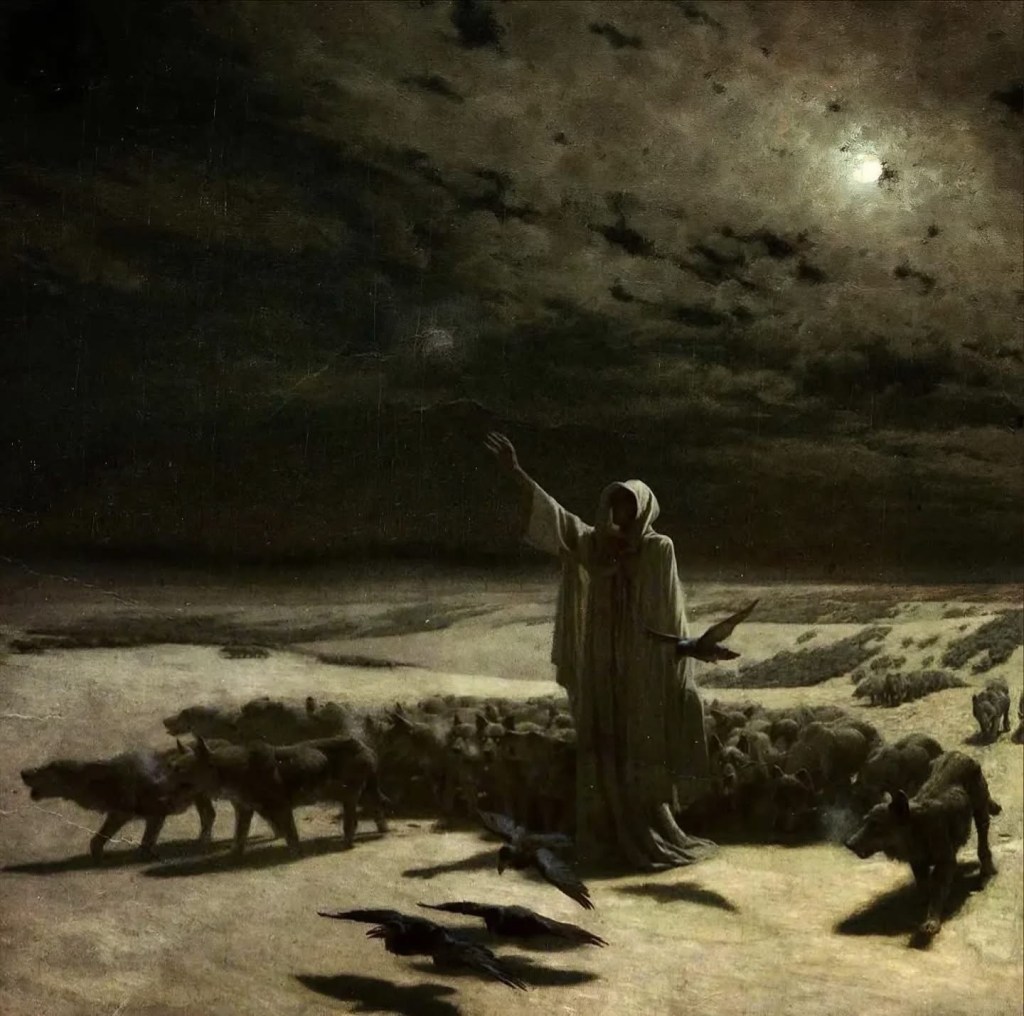
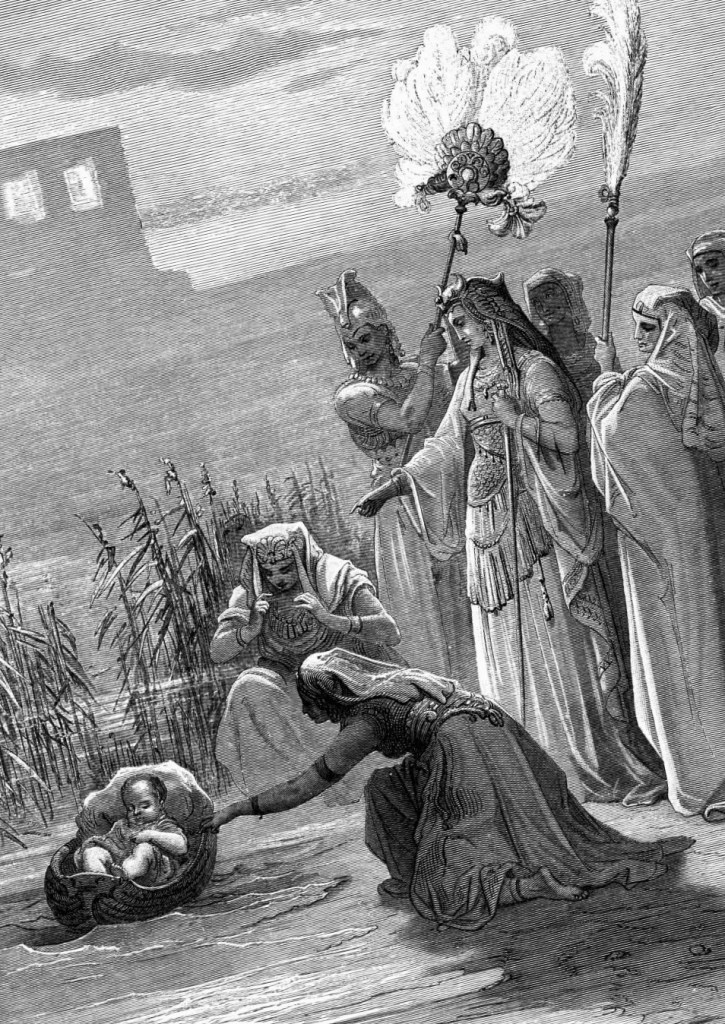
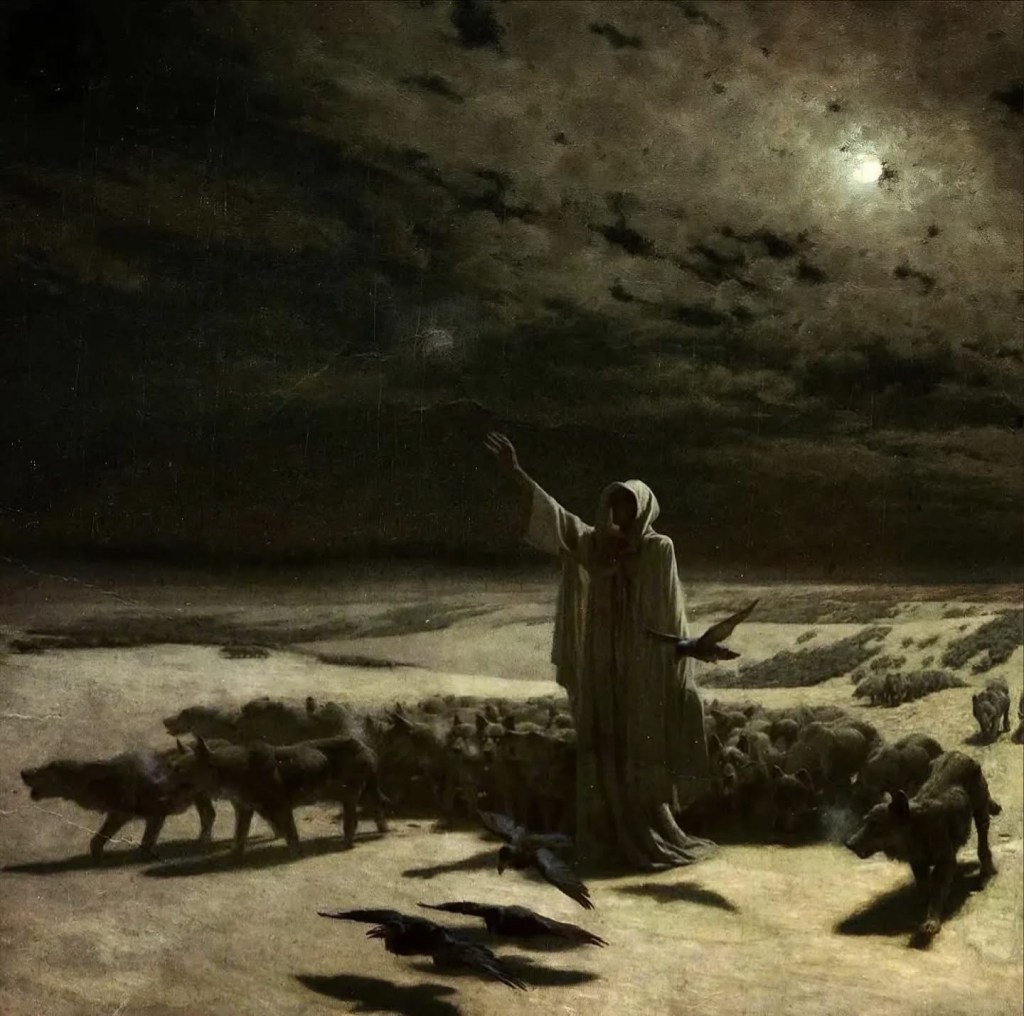
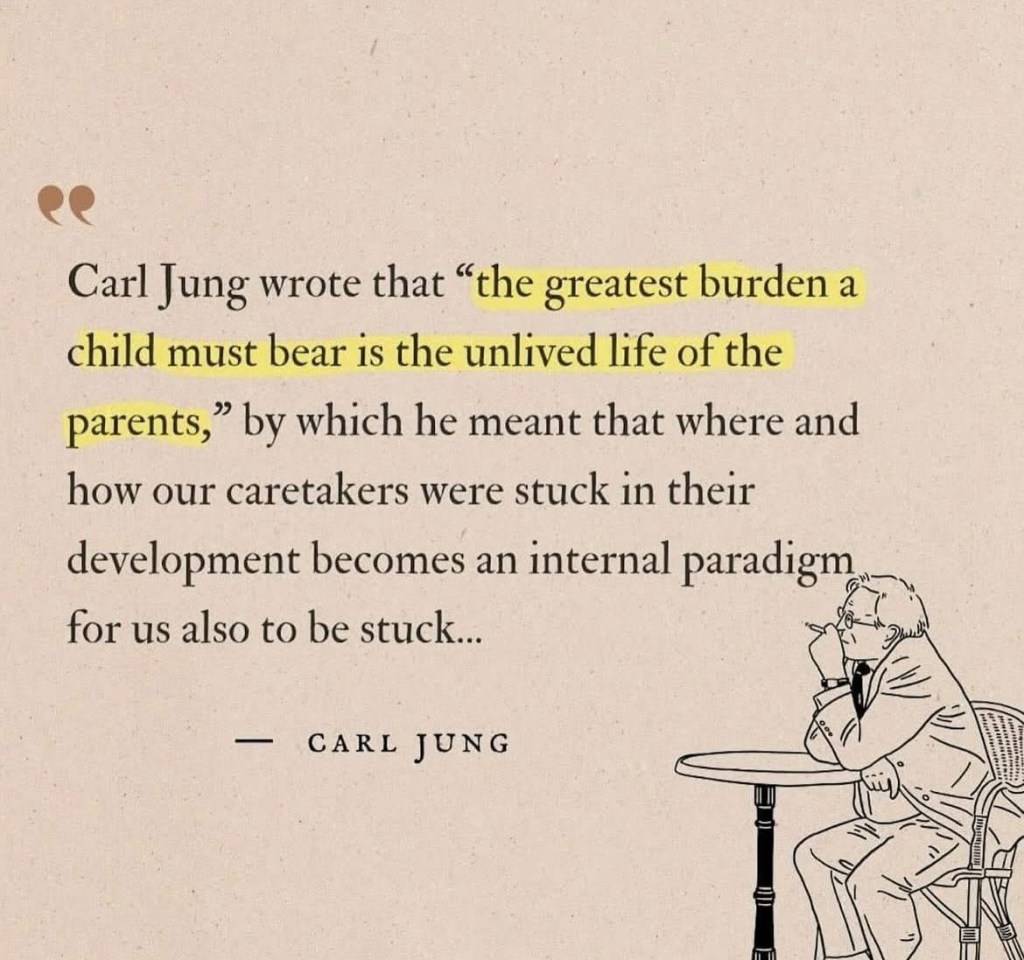

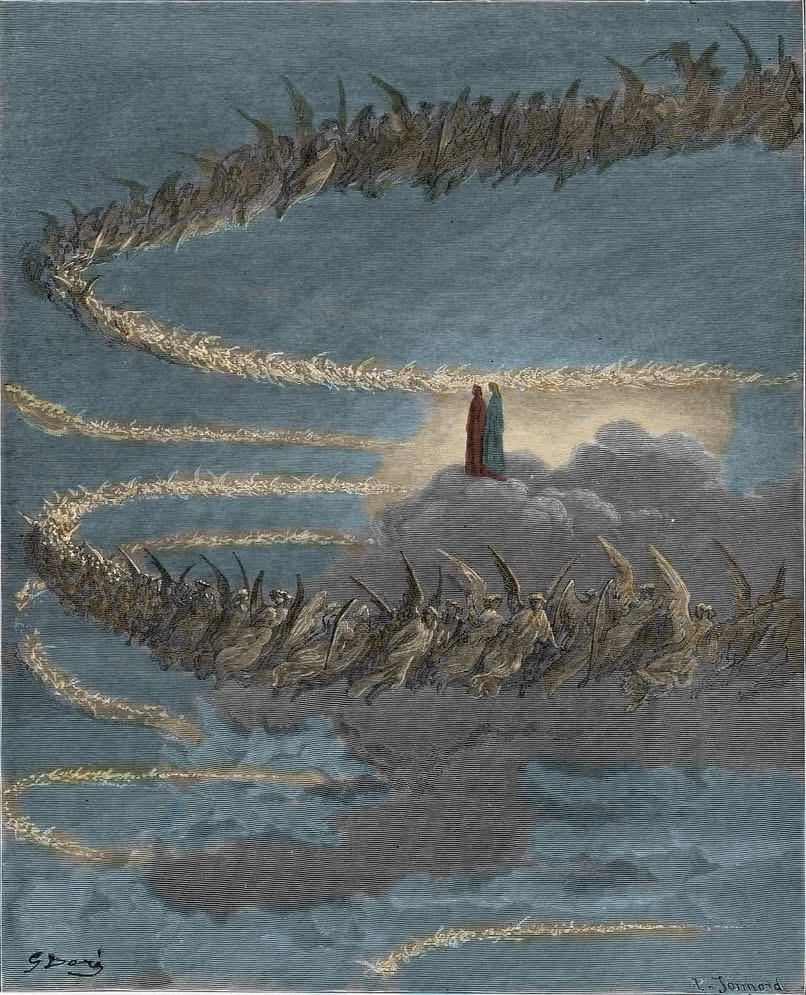


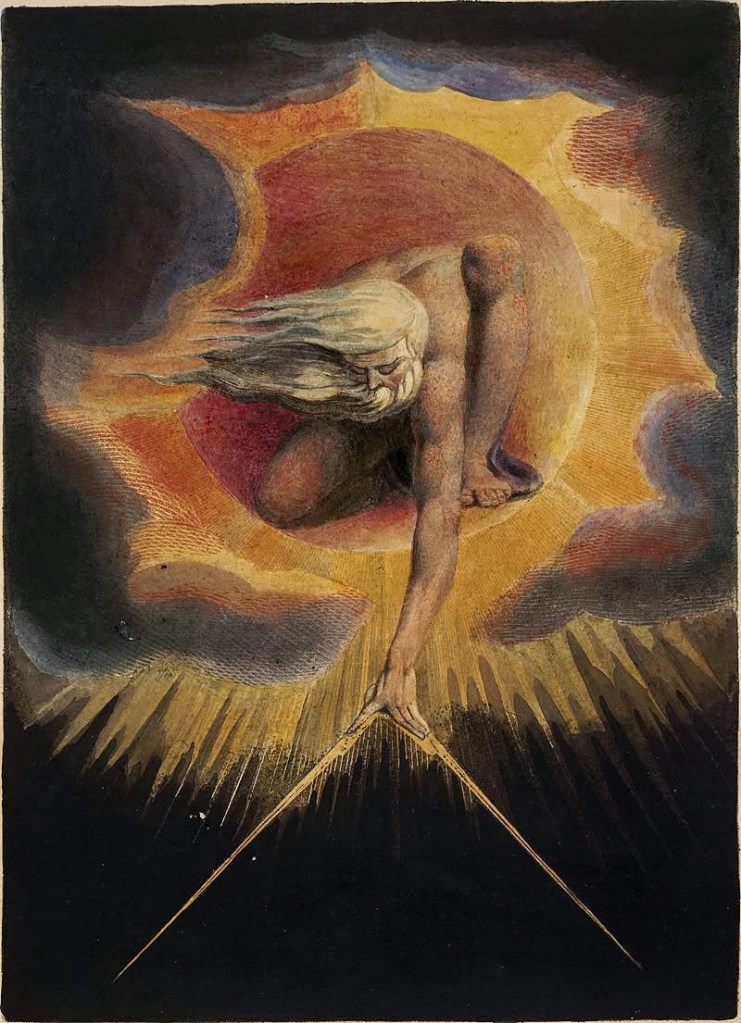






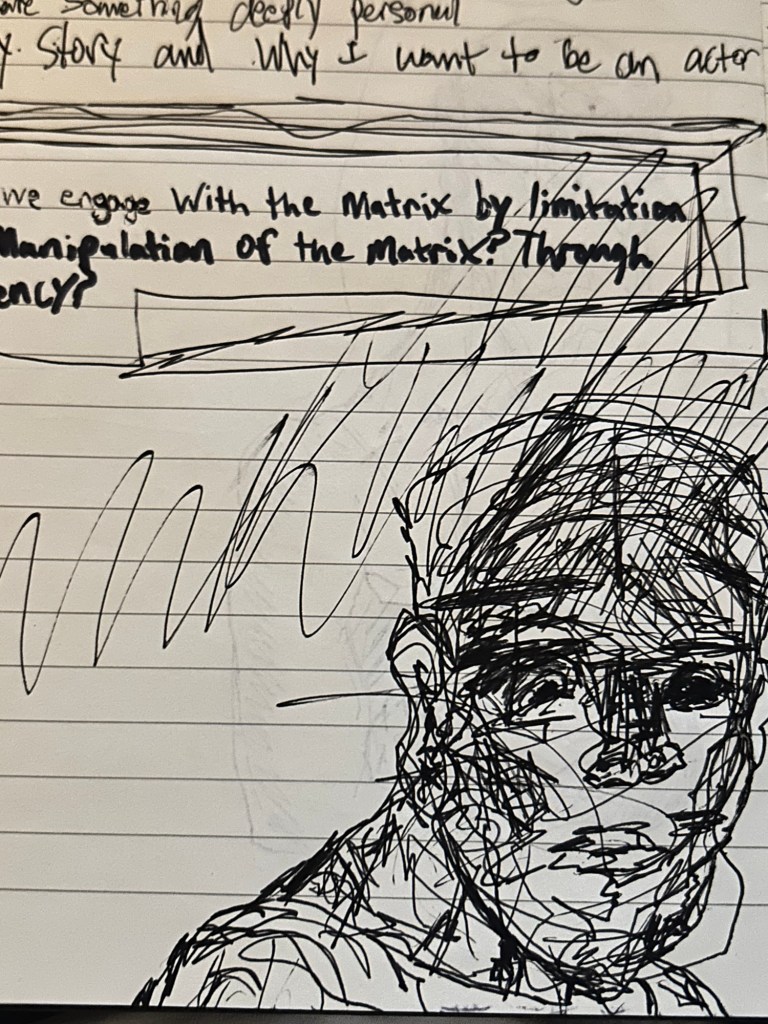
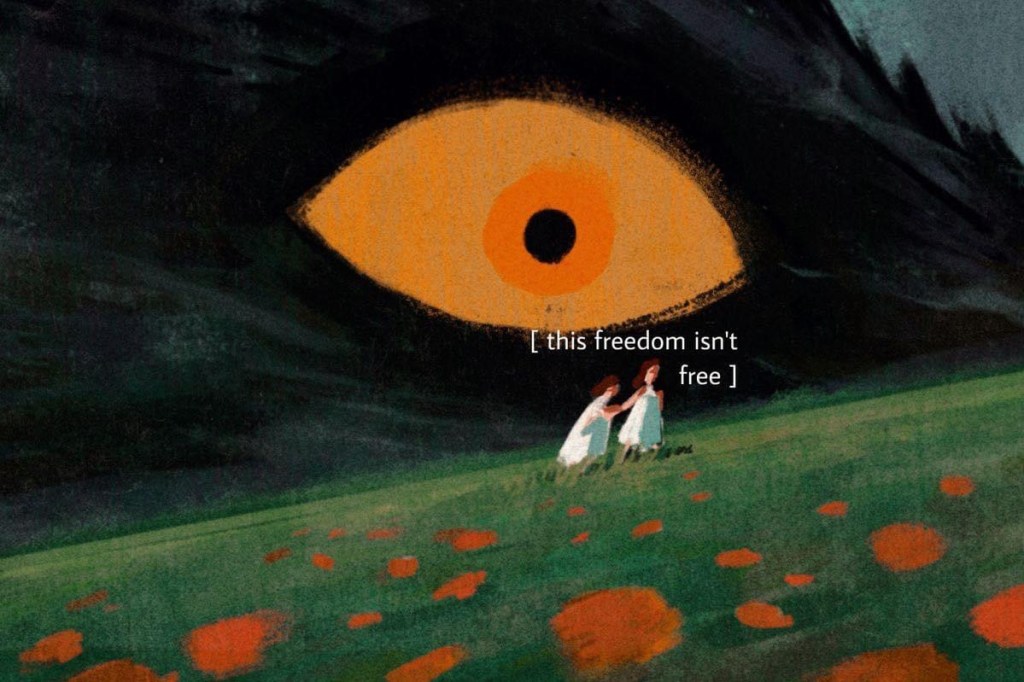

 ∆Remember Us∆