Letter to [Redacted],
When you encounter moments such as this—moments that break through the boundaries you once built around memory—you are compelled to ask what they truly mean for you. These conflicts are not only about another person’s actions, but also about the ways they awaken something in yourself. It is like raising your eyes to heaven and asking, “Why me?” and hearing the reply, “Why not you?” Such questions can feel cruel, yet they contain an odd form of affirmation. They remind us that pressure and conflict are not the forces that define us. Once we recognize this, their power begins to dissolve, and the pain that once seemed to permeate everything becomes less consuming. The past no longer dictates what binds us in place today.
There is strength in realizing that the path you walk is fundamentally right. Every step—whether gentle or wounding—has been necessary, for it led you here. To see this is to understand that even the most painful roads were not mistakes. They were part of the shaping, because it has always been your choice to decide what you deserve, and how far you are willing to carry yourself forward. Every path contains its own guidance, and every step carries its own truth.
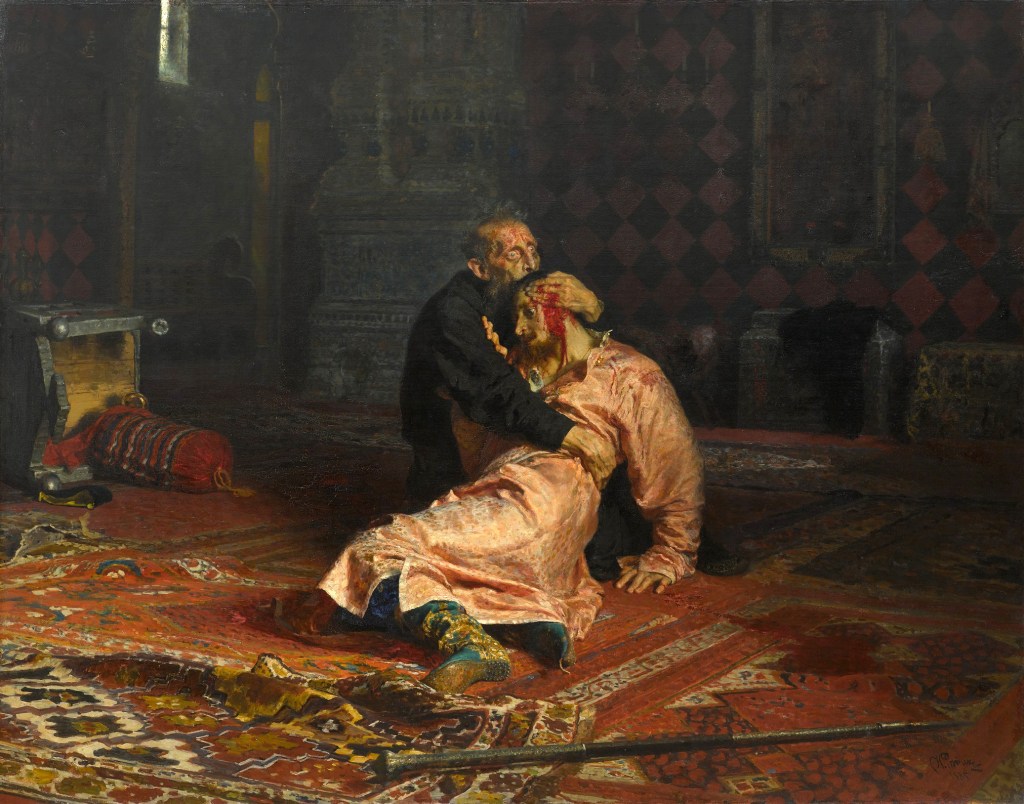
My thoughts turn often to my late father, for his life placed me in situations not unlike the one you face now. Someone dear to me would begin climbing the slope out of their valley, and I was left to ask whether they were worth my time, whether they could truly meet me where I needed them. Did he know the hurt I bore alone? Did he feel it with the same depth that I did? As a child, did he ever recognize what I needed, and if not, could he offer it to me later, when time had already hardened those absences into wounds? These are the questions that haunted me, and perhaps they will haunt you as well.
Yet in facing them I learned this: such moments are less about resolution and more about willingness. They ask us whether we can walk beside another in spirit, and whether we can sense that they, too, are willing to walk beside us. If even the faintest trace of that willingness exists in your father, then trust it. Follow it, not as the erasure of the past, but as the opening of the present into something new. It was this choice that allowed my father and me to preserve a connection that endured, despite the weight of all that came before.
 ∆Remember Us∆