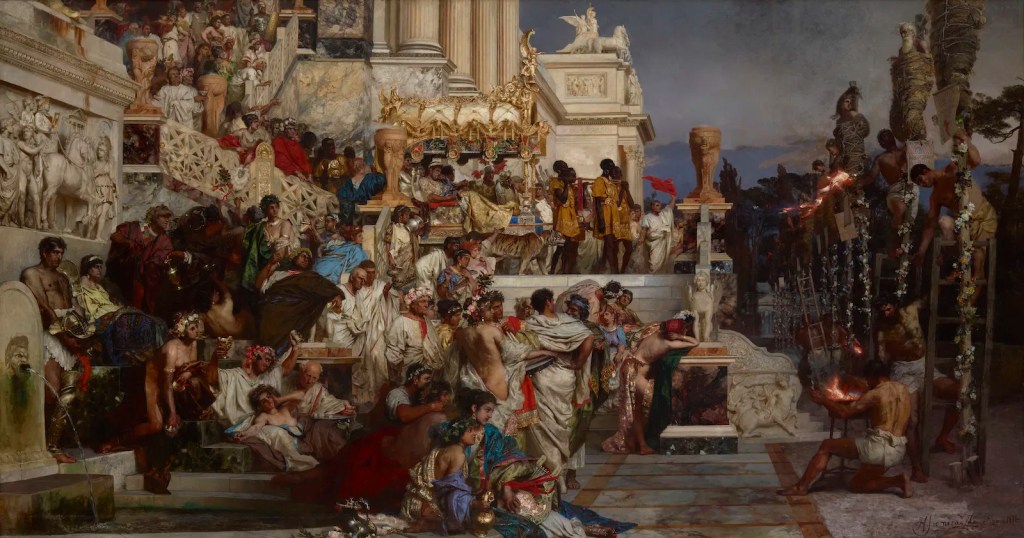
The world manufactures grief like it’s on contract. Headlines bleed, steady and slow — borders lined in war, homes broken open, justice twisted into a mouthpiece for ideologies. But beneath all this noise, beneath the empire’s death rattle and the pride of men dying in circles, is a quieter crucifixion: the relentless, unspoken agony of those who dare wear the name of Christ like flame on their chest.
Here, on this altar, we don’t look away. We don’t decorate suffering with platitudes. We bear witness. We listen. We keep the names. We hold vigil for those exiled from peace, not for what they’ve done, but for who they follow.
“Condemnation” is too soft a word. What they endure is jagged like a sharpness that hides in plain sight. In many places, to speak the name of Jesus is not an opinion. It is rebellion. It is to walk willingly into the machinery of loss — jobs stripped, schools locked, dignity revoked. And for some, it is to sign a death warrant in the ink of faith.
This curse is quiet and loud. It’s a Christian child denied water. It’s a locked gate, a missed chance, a silence that chokes. But it’s also villages burned, bodies disappeared, daughters stolen and claimed by forced vows, sons left as warnings. And the children? Erased, or rewritten. Their souls bargained off to idols of state. Martyrdom doesn’t always come like thunder. Sometimes, it’s just the long erosion of what makes you human.
Why? Why now?
The answers sprawl in disparate locations, — politics, grievance, old blood debts. But dig deeper and you’ll find it: a war beneath the wars. Spiritual. Primordial. “If the world hates you,” said the Nazarene, “know that it hated me first.” This has always been the cost of bearing His name — not fame, not platform, but persecution. Inheriting not only His peace, but also His enemies.
So we remember. Not for nostalgia. Not for moral points. We remember to see. To understand what it really means to follow a crucified Lord. Because in this fire, where scorn meets calling, something rare is forged. Not the faith of bumper stickers, but the kind you bleed for. The kind that won’t be bought or buried.
Persecution doesn’t just challenge belief. It refines it. No costumes. No performance. Just this: Have you seen Him? Is He real enough to suffer for?
The persecuted aren’t abstract. They are not symbols. They are saints being carved from flesh. Their pain burns the fiction away. What’s left is gold—marked by eternity, polished by Unrest.
Consider the prisoner locked away in prayer. Four walls. No crowd. No pulpit. Just hunger, ache, silence. And yet —alone, Christ calls. Not loud. Not grand. But realer and closer than breath. He becomes the only One who stays when everything else falls. That’s not belief anymore. That’s communion. That’s survival as testimony.
Thus, this is the Church, not as building, but as bloodline. Suffering isn’t the exception as much as it is the blueprint. Acts was not the warm-up. It was the way. Peter crucified, Stephen stoned, Paul hunted — they are not legends. They are kin. To suffer for Christ is to inherit the flame. This is the fellowship of His wounds — terrible, holy, real.
And the world? It sees. Even if it laughs, it watches. A man who does not break. A woman who will not bow. These are heresies against despair. Their silence testifies. Their dying plants seeds. The Church has always grown where it should have been buried. That is not coincidence. That is design.
And us — in our quiet places, where persecution is subtler — an eye-roll here, a door closed there — are we ready? Ready to be hated? Ready to lose? Is He still enough when everything else is stripped?
Their witness calls us out of comfort. Out of hashtag faith and curated holiness. It drags us back to the Cross. Not as symbol. As summons.
So let us remember — not with pity, but with purpose. Let their groans become our prayers. Their chains, our conviction. Their names, carved into our hearts like scripture still being written.
They found Christ in the fire.
Will we seek Him there, too?
 ∆Remember Us∆